
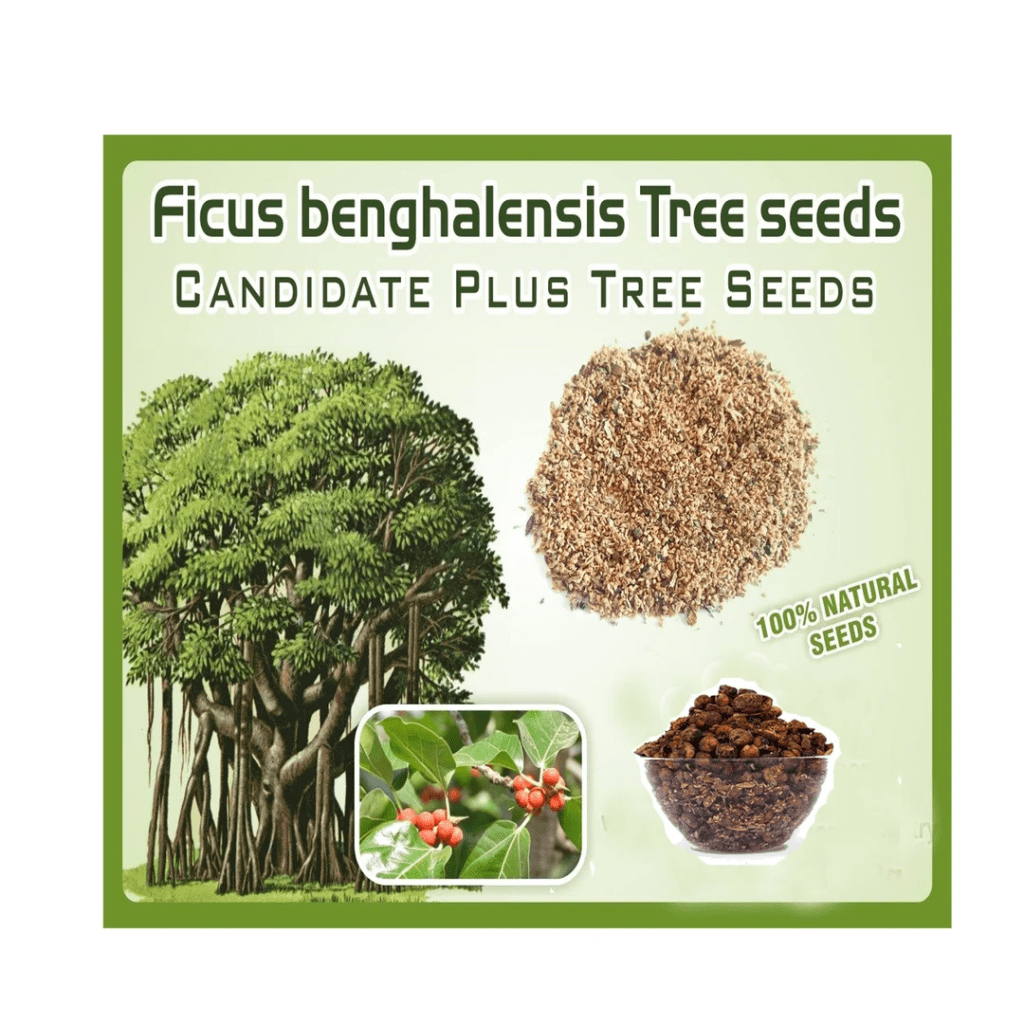
- What is the significance of the ritual squeezing of the seed juice of the banyan tree into the pregnant wife’s nostrils in the seemantham ceremony?
The ritual of administering the juice of the banyan tree (usually from its sprouts or seeds) into the nostrils of a pregnant woman during the Seemantham ceremony holds deep symbolic, spiritual, and traditional significance in the Sri Vaishnava and broader Hindu customs.
Historical and Scriptural Roots
- Vedic and Ayurvedic Foundation: This practice is rooted in ancient Vedic and Ayurvedic traditions. Texts such as the Sushruta Samhita, a foundational work in Ayurveda, mention the banyan tree’s medicinal properties, especially its ability to address various pregnancy-related issues and promote fetal health.
- Pumsavana Samskara: The ritual is closely associated with the Pumsavana rite, a prenatal sacrament aiming to ensure the birth of a healthy child and, traditionally, a male heir. The act of introducing banyan juice into the right nostril is specifically mentioned in several Dharmashastra and Grhyasutra texts. (Apasthambha Sutra).
Symbolic and Practical Significance
- Promoting Fetal Health: It is believed that the juice of the banyan tree has properties that help prevent miscarriage and ensure the well-being of both mother and child. The ritual is considered a remedy for preventing abortion and promoting a safe pregnancy.
- Ensuring Auspicious Progeny: The act is accompanied by specific Vedic mantras, invoking blessings for the birth of a strong, virtuous, and healthy child. The ritual is seen as consecrating the fetus and inviting divine grace into the womb.
- Medicinal Logic: In Ayurveda, nasal administration (nasya) is a recognized method for delivering medicines directly to the brain and nervous system. Banyan juice is thought to have cooling, nourishing, and stabilizing effects, which are considered beneficial during pregnancy.
Ritual Procedure
- Preparation: The pregnant woman fasts and bathes, then dons fresh clothes.
- Administration: The husband gently squeezes the juice of banyan sprouts or seeds into her right nostril, often while reciting specific mantras that pray for the safe and auspicious development of the fetus.
- Symbolism: This act also symbolizes the shared responsibility and bond between husband and wife in welcoming the child, and the community’s collective wish for the family’s prosperity and continuity.
Cultural and Community Context
- Community Blessings: The ritual is performed in the presence of elders and priests, underscoring the importance of community support and blessings for the expectant mother.
- Continuity of Tradition: While the literal medicinal value may be debated today, the ritual continues as a powerful symbol of care, tradition, and the desire for a healthy next generation.
- The squeezing of banyan seed juice into the nostrils during Seemantham is a blend of ancient medicinal wisdom, spiritual invocation, and cultural tradition—aimed at ensuring the health of the mother and child, sanctifying the pregnancy, and invoking divine blessings for a safe and auspicious birth.
2. Does the banyan tree seed juice contain medicinal elements? Is there any scientific basis ?
Scientific studies and traditional sources indicate that banyan tree seeds (Ficus benghalensis) contain a range of bioactive and nutritional elements:
- Flavonoids, phenols, and tannins: These compounds have antioxidant and anti-inflammatory properties.
- Sterols and saponins: Known for their potential cholesterol-lowering and immune-modulating effects.
- Essential minerals: Seeds are rich in minerals such as calcium, magnesium, iron, zinc, copper, manganese, potassium, and chromium. These minerals are vital for various bodily functions, including blood sugar regulation, enzyme activity, and immune support.
- Proteins and fibers: Banyan seeds have a notable protein and fiber content, contributing to their nutritional value and potential digestive benefits.
Documented Medicinal Properties
Research and traditional medicine attribute several health benefits to banyan tree seeds and their extracts:
- Antidiabetic activity: Extracts from seeds and other parts of the banyan tree have been shown to help regulate blood sugar levels, likely due to their mineral content (especially chromium) and antioxidant compounds.
- Antioxidant and anti-inflammatory effects: The presence of flavonoids and phenolic compounds supports the use of banyan seed extracts in reducing inflammation and oxidative stress.
- Antimicrobial action: Some studies report antibacterial and antifungal properties, which may help fight infections.
- Immunomodulatory effects: Certain extracts from the banyan tree, including seeds, have been found to enhance immune response in laboratory studies.
- Other uses: Traditional uses include treatment for digestive issues, vaginal infections, and as a general health tonic.
Scientific Basis and Evidence
- Nutritional analysis: Laboratory studies confirm that banyan seeds are a source of essential nutrients and bioactive compounds, supporting their use as a nutraceutical.
- Pharmacological studies: Research on animals and in vitro (lab) models has demonstrated antidiabetic, anti-inflammatory, and immune-boosting effects from various banyan tree extracts, including seeds.
- Traditional validation: The medicinal use of banyan seeds is well-documented in Ayurveda and folk medicine, with recent scientific studies providing partial validation for these traditional claims.
Summary Table: Medicinal Elements and Effects
Conclusion
Banyan tree seed juice contains several medicinal elements, including antioxidants, minerals, and bioactive compounds. There is scientific evidence supporting its traditional uses, particularly for antidiabetic, anti-inflammatory, and immune-modulating effects. However, while laboratory and animal studies are promising, more clinical research in humans is needed to fully validate all health claims.
***************
What are the key specific mantras that are chanted at the time of the seemantham ritual? What do they signify?
(continued in Part-3)
Sudarshan Madabushi