Another friendly reader — from Bangalore this time — sent me a query via a Whatsapp message. It echoed in fact the very same feelings that Sri. T.S.Krishnamurthy and that gentleman in the audience had expressed too, as I described them above. This was the question and it was a very serious one:
“Sudarshan, let me ask you an academic question. If you had to drop “brahmin” from the title of your book “The Death of the Brahmin-Liberal”, what would you have replaced it with?”
This was a hypothetical question but then a very serious, loaded and leading one with which I had also grappled when I had finished writing the manuscript of the book and was searching for an apt title to give it. So,I hesitated to give a direct answer for the simple reason that I had refrained from providing one in the Preface written in my book. I had deliberately chosen not to bring up this theme in any of the chapters of my book.
The reason why I chose reticence on the matter was that I believed the question of Caste and Identity politics in Indian society — that prevailed even in the pre-Independence era — was regarded by Sastri himself to be beneath him and of no great consequence. He had always risen above it and distanced himself from all forms of parochialism and sub-national provincialism that were pursued and practised by other narrow-minded, mean-spirited politicians of his times. Therefore, I too avoided going anywhere near describing in my book how Sastri personally had had to face the caste-identity animosity of peers (in what is today Tamil Nadu state but the then Madras Presidency).
However, there was once incident in Sastri’s life which I read in his biography that revealed the full extent of the casteist attacks he had had to ensure and weather in his political career. I did not include the narration of it in my book. However, it was reading about that very incident that had filled me with shock and dismay and which became the main reason why I resolved that I would persist with inclusion of the term “Brahmin-Liberal” in the title to my book, no matter what readers and the general public might have to say about it in criticism.
What I had been loath to include in my book, I felt that I might now include in my reply to my Bangalore correspondent who had posed the friendly question to me: “If you had to drop “brahmin” from the title of your book “The Death of the Brahmin-Liberal”, what would you have replaced it with?”
*********
“You raise a very pointed but extremely touchy question. But I’m not going to give you a direct answer myself . I shall reproduce below for you an extract from the biography of Sastri. It will tell you how Sastri himself was the target of Brahmin resentment if not outright animosity in his time; and how it was up to a Pillai gentleman who was his admirer who rose to defend Sastri.
After you have read the anecdote … I believe I wouldn’t have to explain to you at all why I wouldn’t replace a single word from the title of my book.
*******
My friend, I believe you certainly are already aware that Sastri played a pivotal role in the enactment of what in 1919 was the Montagu-Chelmsford Indian Reforms initiative that was taken by the British Government of India.
The Montagu-Chelmsford Report then officially became the Government of India Act 1919. It was a British law that introduced reforms to increase Indian participation in governance, based on the reform recommendations the Montagu-Chelmsford Report contained. Its key features included establishing a dual government system at the provincial level called dyarchy, separating central and provincial budgets, and creating a bicameral legislature at the center. The Act was a response to growing Indian nationalism and aimed to grant limited self-governance while maintaining British authority.
Now, the publication of the Montagu (aka Montford) Report… was soon followed by the appointment by the British Govt of two committees to make detailed recommendations regarding the matter of “franchise” and “division of powers”. Sastri was appointed to the Franchise Committee, under the Chairmanship of Lord Southborough.
Sastri’s inclusion in the Committee infuriated the non-Brahmin organisations in Madras, who accused him of preferring a Brahmin oligarchy to Indian Democracy.
Sastri was born a Brahmin; he could not help it. But he never said that he favoured Brahmin oligarchy to Indian democracy. All that he had really said at the time was that he did not favour adult franchise at that period of time in the history of India where masses of people were still in poverty, illiterate and uneducated in matters of citizenship rights and duties and lacked familiarity with electoral and legistlative processes. That stand of Sastri was twisted by his non-Brahmin critics to mean something very different. They demanded that Sastri should be unseated and some non-Brahmin members to be instead included in the Committee. As their demand was “not fully met”, they all boycotted the Committee.
The chief contention of the non-Brahmins group was that, though they constituted the large majority of voters and their ratio to Brahmins was something like eight to one, they were not sure of adequate representation in the Councils because of the caste superiority of the Brahmins in Hindu society. They, therefore, demanded a separate communal electorate for non-Brahmins.
While the non-Brahmins attacked Sastri because he was a Brahmin, The Hindu newspaper and the nationalist press attacked him equally fiercely only because he was regarded as a Moderate and largely supported the Montagu Reforms which Nehru and his Congress radical nationalists stoutly opposed.
Mr. P. Kesava Pillai, himself a Congressman and a non-Brahmin, was moved to protest against all the nasty attacks that the Congress and casteist parties in Madras launched against Sastri and which were further broadcast nationwide by The Hindu. In the course of his letter published in the “Indian Patriot”, Pillai said:
“Mr. Sastri is a level-headed and cultured man who has acquired wisdom enough to treat undignified and indecent personal attacks with indifference and pity, and has self-respect, patriotism, optimism, common sense and sound information of the constitutional systems in the civilised world to do signal service for his country in the Committee.
“Few Brahmins are as free from Brahmin prejudices as Mr. Sastri. And it is a thousand pities that such a public man, who has made sacrifices in life, is attacked, traduced. slandered and calumniated in and out of season by comparatively small men.
By all means let Dr. Nair ( Justice Party founder whose prime over was “EVR Periyar”) get in (the committee) and plead for communal representation as he considers best ; but to ask for Mr. Sastri’s removal (from the Committee) as a thing agreeable to non-Brahmins in general is a gross perversion of truth. Mr. Sastri’s removal will be disastrous to the Congress cause, say whatever “The Hindu” may. And even the progressive and self-respecting non-Brahmains will be better served by him than by Dr. Nair, or any of his school or following”.
The net result of the agitation was that Sastri was not unseated and Nair was not seated, and the non-Brahmin representatives boycotted the Committee.
The Southborough Committee, however, went on to recommen reservation of seats for non-Brahmins on a common electoral rolls. Sastri’s personal view was that communal electorates were undesirable and should be granted only in special cases, but with built-in correctives, such as a time-limit and the option for individuals to prefer the common to the communal electorate, or change over from the latter to the former. He held to this view consistently and uged it repeatedly.
Finally, it was another British committee-member who recognized what deep and vicious caste dynamics were at play in the whole affair, and made a remarkable observation:
“In this matter, too, Mr. Gokhale’s mantle seems to have fallen on his (Sastri’s) shoulders and he has worn that majestic garment with an ease that would have delighted his master. India has cause to feel proud of Mr. Sastri, and it is a matter for astonishment and sorrow that such malicious attacks of hate have been made upon him, not only in Madras where his enemies, by their very ferocity, render tribute to his great capacity and qualities, but also in Bombay, where, I hear one of the oldest members of his party speaks of him as a ‘black sheep.’ May there be many more such, might well be the prayer of patriotic Indians.”
*******
It is now, finally, that I think I wish to pose my own question to M/s Chandramouli, T.S.Krishnamurthy and also to my book’s three other anonymous readers/audience-members:
It was only after I had fully read the above historical incident in Sastri’s biography, that I decided I would not replace the word “Brahmin” from the title of my book, come what may…. And would you still fault me now for sticking to my guns?
At the above book-launch event, many in the audience as they trooped into the plush Chennai International Centre (CIC) auditorium were mystified if not aghast when they first saw the title that my book carried :
Death? Brahmin? Liberal? And the Rt. Hon’ble Srinivasa Sastri?!
Right at the very beginning of the event, Mr. Chandramouli, the CEO of CIC , made formal introductions of the distinguished guest-panellists on stage —- T.S.Krishnamurthy (former Chief Election Commissioner of India) S.R. Madhu (Author and Journalist) and P.S. Raman (Advocate-General of Tamil Nadu State).
When it came to introducing me , the book’s Author, he felt compelled perhaps to try and put at ease the audience’s misgivings about the title of the book. Under the circumstance, Chandramouli obviously did some quick thinking on his feet and demonstrated remarkable presence of mind for an MC. He pulled out from the “Author’s Preface” in the opening pages of the book a relevant passage wherein I had offered my readers an explanation about why I had chosen a title as grim as “Death of the Brahmin-Liberal”. Here below is that passage :
The word “death” in a book’s title can and does make a reader perhaps squirm and shift uncomfortably in the chair. I am very aware the unnerving effect my book’s title might have on readers’ minds. However, I choose to persist with the title chosen because I am convinced it serves the central purpose of the book viz.: to describe the death of decency and decorum, idealism and Dharmic values in politics and public life today in our country. When a tiger has already gone extinct as a species in our beautiful wildlife forestlands, what does it matter whether we call the extinction “Death”or “The Last of the Tiger”?
As I ascended the stage to join the three distinguished panellists, I got the distinct feeling that Chandramouli’s introduction of me, far from putting the gathering at ease, had made things only a little bit worse: the audience’s misgivings were now not only over the book-title but also about its author.
******
Sri. T. S. Krishnamurthy, when asked to commence his opening remarks in the book-discussions made it clear at the very outset that he did not quite relish the book’s title at all … Someting did he say to this effect: “I wish Sudarshan had chosen a wholesomely worded title for the book that reflected the essence of a great man like Sastri… something like “unsung patriot” instead of “liberal” … or, “moral” instead of “the Brahmin”…
Immediately I began feeling my heart to sink a bit … The book’s title was coming under intense scrutiny even before its content! … “My book launch event”, I thought, “was off to a fine, flying and inauspicious start, indeed”!
S R Madhu, the moderator, sensing perhaps my slight trepidation, then tried steering the discussion off in another direction by hastening to the next questions and themes in the panel discussions. The panellists then moved on briskly thereafter to talk about about other aspects and features of the book … and about Srinivasa Sastri … over the course of the following hour and a quarter.
Inwardly, at last, I heaved a sigh of relief!
*****
At the very end of the last 10 minutes of the program when the floor was thrown open to audience questions, a gentleman asked me if I could define exactly the term “Brahmin-Liberal” since it had different connotations to different people. Since the event was already nearing its end , I was very relieved that I was not obliged to offer him any kind of elaborate explanation. People were already getting to ready to exit and go home. So, I gave an abrupt , cryptic answer and left it to the gentleman to figure it out for himself:
“Sir, very pertinent question …. Let me say to you that today in our society we have this strange narrative : if you are a Brahmin, you can’t be a liberal . And if a liberal you won’t be a Brahmin. Srinivasa Sastri defied such a narrative since he was a perfect blend of both”.
The program concluded and the audience dispersed …. Many of them, I saw from their faces, seemed to be still a little bemused if not nonplussed by the title of the book. Nonetheless, I was happy that about 50 and more of them went out to buy a copy of my book to take home, read it and de-mystify all by themselves the book’s title that seemed to rankle so many that evening … “Thank God”, I said to myself silently .
*****
The next morning , I sat at home savouring my first cup of coffee for the day.
Opening my email inbox, the first message I got was from a very friendly reader of my book who had purchased, he told me, his copy from the online Amazon bookstore. He too began by querying me about the title of my book. “Oh, no! Not again!”, I cried to myself .
This was the question he posed to me : “Here the book title is “….the Liberal”??! After reading the book I thought “…a Liberal” would’ve been more appropriate.”
Now, the title of the book was being put to the rigours of a grammatical test! Parsing the title of my book seemed to me then had all of a sudden become a pastime for readers. They bought the book out of kindness towards me, but they had to frown at its title.
Parsing a book’s title, I told myself then, was after all only an exercise in English grammar; Srinivasa Sastri himself had been famed for his scrupulous attention to correct grammar… In my book, I had devoted one whole chapter narrating the incident when Sastri in the manner of a school master had taught proper grammar, as to a student, the great Karamchand Gandhi on how not to write sloppy English editorials for the “Harijan” magazine that the Mahatma himself edited. And it was also said that Sastri all his life had kept a textbook of English grammar by his bedside.
Challenged thus on grammatical correctness by the emailed question posed by a reader to me, I felt I should respond in what I believed might have been the Sastri way: answer tricky questions on grammar with a sedulous lesson in grammar. So, imitating the typical Sastri style, I explained to the reader why, in my book’s title, I had chosen the definite article “The” instead of the general/unspecific article“A”.
“Dear Sir, very good question you raise indeed… But as a writer I look at things a little differently … Let me explain.
“Sastri to me in his lifetime represented the best values of both classical liberalism and Brahminical way of life . Today, when I look around me in society, at the Tamilian Brahmin community, I perceive only a marked decline in its old value system. The community calls itself liberal … but then its a very pretentious sort of liberalism.
“So, in comparison to the Brahmins of today who call themselves as Liberal-minded but, in reality, are neither fully one nor the other …. and neither here nor there… Sastri, by contrast, in his time, always remained the perfect and steadfast blend of both value-systems . And it is precisely that facet of his which I have portrayed in my book .
“So, in my book Sastri was indeed THE Brahmin-Liberal … not A Brahmin-Liberal“.
The friendly reader followed up with another question:
“Do you mean to say, like, that Sastri is the ultimate “Brahmin-Liberal” – a role model for others to follow? Maybe he was then… But how do you define men of “Liberal” values who lived during Sastri’s time? Would they too have been like the “Wokes” of today? i.e. Hindus who are willing to run down Hinduism just to look good to others of their type or to non-Hindus ? So-called “Hindus” today we see are willing to overlook and condone all the havoc created by other Religions across the world”.
I replied:
“No, I would’nt use the term “ultimate” …. But yes, definitely, I would say that Sastri was the most exemplar of Brahmin-Liberals of his times. I say that because the definition and tenets of classical liberalism that Sastri himself embraced in life were those that his guru Gopalakrishna Gokhale’s guru Ranade had given. Here is the verbatim definition below which were known then as “The Tablets of Indian Liberalism” inscribed by Ranade:
“The spirit of liberalism implies freedom from race and creed prejudices and steady devotion to all that seeks justice between man and man, giving to the rulers the loyalty that is due to the law they are bound to administer, but securing at the same time to the people the equality which is their right under the law.
At the very heart of Liberalism as Gokhale and Ranade had conceived it was the ideal of Moderation which was in turn defined as that which “implied the conditions of never vainly aspiring after the impossible or after the remote, but striving cach day to take the next step in the order of natural growth by doing work that lies nearest to our hands in a spirit of compromise and fairness.”
Sastri was a true exemplar indeed of both Liberalism and Moderation as described above. Which was in fact why Gandhi himself acknowledged Sastri to be the best disciple of Gokhale when he said: “I have called Gokhale my political Guru. Therefore, Sastriar is a fellow disciple. And what a disciple and yet an amiable usurper!!! I was to have the honour of being Gokhale’s successor but I found in Sastriar a worthy usurper to whom I made a willing surrender…. I had and have no gifts which Gokhale had and Sastriar has in luxurious abundance.”
********
Another friendly reader — from Bangalore this time — sent me a query via a Whatsapp message. It echoed in fact the very same feelings that Sri. T.S.Krishnamurthy and that gentleman in the audience had expressed too, just as I describe them above. This was the question:
“If you had to drop “brahmin” from the title of your book “The Death of the Brahmin-Liberal”, what would you have replaced it with?”
Following my opening speech at the book launch event organised by Chennai International Centre (November 8, 2025) of my recently published work, “The Death of the Brahmin-Liberal” (Blue Rose Publishers), a gentleman named Sri. Srinivasan Ranganthan (Chennai) sent me an email this morning wherein he shared his impressions about the book and the event. However, he also posed to me very trenchant questions to which I provided answers to the best of my knowledge and ability. The correspondence is being shared here below only for the benefit of other readers of my book — both those who already have read it and more importantly, for those who may buy the book soon.
************
Dear Sri Ranganthan,
Thank you for your email below.
You have no idea how much it delights me to have a general reader from the public write to me to review my speech and (perhaps eventually my book too). Your observations are all so very pertinent. I appreciate your feedback and this is exactly the sort of thoughtful/critical remarks that all authors wish to receive.
Please read below in red font my responses to each of your queries and observations. I hope after reading them you will get a better understanding of what Srinivasa Sastri’s positions and stances were vis-a-vis the Civil Disobedience and Non-Cooperation Movement. For more nuanced explantions of the same you will have to make the effort to fully read my book right till the end.
Please do give similar feedback on the book after you have read it, I would welcome it.
Thank You,
Best Regards,
Sudarshan MK
**************
On Monday 10 November, 2025 at 08:58:25 am IST, Srinivasan Ranganathan <@gmail.com> wrote:
Respected Sir,
I was one of the attendees at the Chennai International Center on your book launch on Shri. Srinvasa Sastry, about whom I had known very little before attending this event. My late father had told me about his great oratorical skills in English that impressed even the British. I came away with a very good understanding of the person and his views, and his differences with the Big 4 of the Indian Freedom movement.
True…! people of Tamil Nadu and especiallhy the Brahmin community did a great disservice and discredit to Srinivasa Sastri by rather than knowing more about and celebrating his greater accomplishments in Diplomacy, Politics, Education and Literature turned him into a Post-Independence kind of poster-boy for Anglophilia. Apart from simply gloating and singing peaens to his legendary eloquence, the Tamil Brahmin community did little to appreciate his brilliant achievements in Diplomacy and political statesmanship… and his principled stands against many of the Independence era nationalist ideas and agenda. They called him “silver tongued Sastri” and simply left him hanging with that sobriquet … as if he was no more than a stage performing artiste with extraordinary god given gifts of the gab … no more, no less… Amongst the audience that evening, the audience response to my question as to how many had read seriously anything about Sastri saw not more than a dozen hands go up from amongst a 100-150 others! That by itself tells me that what I have stated above is largely correct.
Of late, I have heard from some Historians/political commentators that his idea of a soft approach for achieving India’s freedom through diplomacy and negotiations portrayed him as an ‘apologist’ of the Colonial Govt. , since the context , during the days of our freedom struggle was, either you are with the Freedom Movement or you are against Indian people. In my view, he might have strengthened such a perception through his attempts to dilute the gains of the Freedom struggle by opposing Satyagraha and other potent methods of protests by Gandhi and his team, with or without realising it .
Yes, this exactly was the impression about Sastri created by the INC under Nehru. If you read my book you will come across a couple of chapters describing how Sastri was slighted and humiliated as an British lackey and Anglophile. I am reproducing below a few passages just as a sampling of the attacks on him:
Some critics at home in India minimized the outcome or scorned diplomatic success as insufficient, not recognizing the scale of the challenge or the constraints he faced as a colonial delegate. (Chapter 4)
The Indian Opinion, edited by the late Manilal Gandhi, son of Mahatma Gandhi, was somewhat critical of Sastri because he did not advocate satyagraha by South African Indians to redress their wrongs. It said:
“We respectfully differ from Mr. Sastri on some matters…. His moderation and forbearance are at times, we think, far too stretched, but we know he is absolutely sincere. His heart is too soft to see suffering on either side. He would wish to gain for us things without our having to suffer. We believe, however, that nothing can be achieved without suffering…. Nevertheless, Mr. Sastri is a great man. The European press and the people of South Africa have almost unanimously hailed Mr. Sastri as being the greatest man in South Africa today.
If Sastri were an anglophile so was also Gandhi, Jawaharlal Nehru and Ambedakar and many others in the Indian Freedom struggle who all went England to get educated and returned to India as barristers… Nehru especially had great love for English thought, manners and customs. So, it was a bit thick on his part to call Sastri an Anglophile who in fact had the all the deportment of a typical Mylapore Brahmin rather than an English peer.
Sastri’s “Brahmin Liberalism” represented a unique synthesis of classical Brahminical values and liberal humanism—a blend increasingly rare today. Critics have called him an Anglophile, but this was a nuanced affinity: he admired British constitutional principles and linguistic finesse as models for Indian reform, without uncritical reverence. The death of this ethos symbolizes the evaporation of civility, reasoned debate, and respect in public life. — (Chapter 14)Sastri made no secret of the fact that he regarded British Rule as a mixed blessing. He said so plainly in his speech:
Sastri handsomely acknowledged the good that the British institutions had done in India.
“Not only have standards of efficiency and thoroughness in administration been raised fan above the level reached at any time before in our history, but the springs of public conduct have been purified, official probity has received a new meaning, public opinion has been taught and encouraged, in spite of frequent lapses, to assert itself, and whether between sexes, between capital and labour, or between teacher and pupil, a nobler and more chivalrous relation has been established, beyond danger, let us hope, of being forgotten when Britain’s hand is withdrawal from the helm.
Who, again, would hesitate to acknowledge handsomely the awakening of the social conscience towards the servile and depressed classes as a result of Western ideals? Why, the national ambition, of which the intensity is proving a serious embarrassment to the Government, is itself the product of English education….
Our tale of indebtedness would not be complete if we did not pay an unreserved tribute of admiration and gratitude to the loving devotion and heroic sense of duty with which many missionaries, teachers and officials from the West have laboured for the good of the people of this land and the unstinted homage and welcome of our hearts to the men and women of another race who recognise in the present distracted political movement the throes of a nation’s birth and rejoice in openly championing the claims of those brethren among whom their lot is cast.”
Sastri also said this in a speech:
“Good-will and ill-will must evoke likes. Is it too late to try a little mutual trust? Whether in the first instance or under provocation, certain of our politicians have indulged in indiscriminate abuse. We have insulted; we have bullied; we have threatened. We have been super-sensitive and too prone to see national insult and humiliation. We have boasted of our national virtues and capabilities, to which our claim is doubtful, and we have denied national faults and weaknesses which blaze as the noonday sun. We have allowed political hatred to mar social intercourse. We have invented a theory of Non-cooperation which should carry us to our destined goal in disregard and defiance of the Imperial Parliament, the British Cabinet and the Government of India. We have in the extremity of despair actually inculcated a spirit of disobedience and direct action which, while creating disorders and tumults and embarrassments now, is certain to recoil with terrible force on our own heads and expose our home-rule regime, when it is established, to the serious risks of continued and chronic distemper”
“To an abnormal type of mind political disorder may appear a necessary preliminary to the establishment of a happier polity than India has ever known before. If we throw everything into chaos, God will know how to bring cosmos out of it. That is it.”
Having set the context as above, I would like to know from you, through your research on Shri. Sastry if you had come across his rationale/justification for taking a stand that India’s Freedom could be achieved through Negotiations and diplomacy ,with a brutal Colonial regime as events like Jalianwala Bagh massacre amply proved. I wanted to put this during the question session but unfortunately was unable to do so. Would be great to have your response on this, if you will.
Iam not sure if you agree that India’s Non-Cooperative struggle was an excellent middle path between Shri.Sastry’s soft approach and Netaji’s conviction on armed struggle to secure India’s Freedom. It was a brilliant conception, in my view, by Gandhi and this was widely acclaimed all over the world, some of the well-known leaders of those times, notably, Dr.Martin Luther King, had confessed to using the methods of non-violent struggle inspired by Gandhi.
Sastri was categorical in his rejection of Gandhi’s methods of Sathyagraha, Non-Cooperation. He conceded that street level agitations were effective in the short-term and for very narrowly limited political purposes. But if allowed to become widespread in a large country like India, Civil Disobedience would become default standard political culture of Post-Independence India with people taking to the streets at the drop of hat for every little group grievance they harbored. In several letters and speeches, Sastri said that constitutional methods of agitation were better than street mass protests … it was a gradulist approach to the aspiration for freedom but then from a future perspective it would be the wiser one. Here are some of the speeches and letters of Sastri which you can read in the chapters of the book:
“In Germany and France, in Britain and America, in the Dominions and, indeed, all over the civilised world, his (Gandhi’s) sayings and doings as the head of the Non-cooperation Movement are studied with intense interest as a new evangel for the future of mankind in the international as well as in the national sphere. His theatre encompasses the earth. History, far off history, is his only competent judge, after God. This, the present writer believes, is a true and just picture of the psychology of Mr. Gandhi. It is not drawn in a spirit of disrespect or with a view to pass moral judgment. But Mr. Gandhi’s contemporaries, be they ever so puny, have a duty to the country as well as he. They may not see clearly; they may not judge rightly. But as they see and judge, so they must act. If they believe that in the search of highly problematical good, he is bringing highly probable evil on their common motherland, they are bound to oppose him all they can. It is a comfort to know that he at least will not blame them”.“The forces that will be unloosed we cannot hope to control or regulate, and we shall hopelessly thicken the problems of our children because we choose to neglect a comparatively easy solution in our time.”
He warned:“The forces that will be unloosed we cannot hope to control or regulate, and we shall hopelessly thicken the problems of our children because we choose to neglect a comparatively easy solution in our time.”
And Sastri had the courage of conviction to stick to his guns
“I have said before and will say it again that we are far from having exhausted the possibilities of constitutional agitation in India. It is not impossible for us to attain by methods of peace what elsewhere and at other times has cost the shedding of much blood and the misery of many generations. Mr. Gokhale worked in that faith to the end. I have that faith too and would fain communicate it to others.”
He defended the philosophy of the Indian Moderates or Liberals:
“Moderation has no doubt fallen on evil times. But why should it hang down its heart and go about with an apology al-ways on its lips?… Men of the Moderate school have no need to be ashamed either of their name or of their policy. It is no crime to be in the minority. It cannot be unpatriotic to say yes when they feel yes. To be rallied by an English politician is not wrong when they are rallied to the standard of peaceful and substantial progress. On the lips of the sneering majority, expressions of noble import are often degraded. Rallying the Moderates, sobriety, statesmanship are not despicable because they are now generally despised. Let us be true to our convictions and remember that a single turn of events may prove us right. History honours Cavour as well as Mazzini, and Emmanuel has a noble niche in the hall of fame by the side of Garibaldi.”
The points made by the other panelists on the stage, iam afraid, tended to focus on the criticism of Shri.Sastry by the towering 4 of the Freedom Movement , as unwarranted, bordering on doing injustice to Mr.Sastry’s legacy, while trying to implicitly eulogise his views. Mr.TSK (T.S.Krishnamurthy, former CEC) read out passages of Pandit Nehru’s book, where he had made stringent criticism of Shri.Sastry, while the latter’s criticism of Gandhi through your references evoked no response. I wondered if Nehru bashing was not limited to present day ruling elite but has also extended to some writers, bureaucrats now and retired. One wonders , what can be inferred by many , if Shri. Sastry was unable to convince even one of the great 4 leaders and bring them around to his view to the path of negotiating with the British. Iam sure you will concede that these four leaders were not ordinary people, they were great thinkers and selfless contributors to India’s well freedom and staunch patriots without doubt.
Sastri himself had great respect and regard for the Big 4… but from my reasearch I can only conclude that the respect and regard was not reciprocated genuinely at all times. Except Gandhi who always held Sastri in very high esteem in spite of their deep differences. It was the greatness of both men that they saw each other’s greatness of character and spirit and were not reticent in mutual admiration.
The Government’s determination to procced with the Rowlatt Bill antagonised Indian public opinion of all shades as never before. Sastri was critical also of the Satyagraha movement, which the Mahatma started and then suspended it after the Jalianwala Bagh tragedy:
“I must say, in the next place, that the Satyagraha movement, though Mr. Gandhi has now suspended the civil disobedience part thereof, has, in its turn, contributed to the difficulties of the situation. I am one of those who hold that it was not the intrinsic nature of Satyagraha that led to the outbreaks of disorder; nor were these intended. Nevertheless, it is difficult to dissociate them entirely from a movement which brought together an unprecedentedly large mob in a highly excited frame of mind, and from the undesirable forms it subsequently assumed.”
Of the Mahatma he said: “You will see that with his extraordinary readiness to take the responsihility even when it does not directly rest on him, Mr. Gandhi himself admits that he failed to appreciate in its fullness the absolute inability of the mob to rise to the height of the Satyagraha-plan and that he failed to take full note of the extent of the excesses which might be. committed under its cover. When Mr. Gandhi is so ready to take upon himself the blame of it all, it is ungracious — highly ungracious—to dwell long on it. We recognise the unfortunate, though indirect connection between the Satyagraha movement and the disturbances; but no one thinks that Mr. Gandhi had anything to do with them…. We know that nobody is so unhappy over these events as Mr Gandhi himself”.
And here is what Gandhi once said about Sastri:
“I have called Gokhale my political Guru. Therefore, Sastriar is a fellow disciple. And what a disciple and yet an amiable usurper!!! I was to have the honour of being Gokhale’s successor but I found in Sastriar a worthy usurper to whom I made a willing surrender…. I had and have no gifts which Gokhale had and Sastriar has in luxurious abundance.”
Your brief foray into today’s politics was focussed on criticizing only the Opposition and its protests inside and outside the Parliament on Farm laws, without consideration of the merits of their protests. The present Govt’s hollowing out of every available oversight Institution , their fraudulent practises in elections, their brazen support to unethical, unlawful practises of select favored Oligarchs as a quid pro quo for investing in Electoral bonds seems to be glossed over by the Panel in sharp contrast.
I agree that the Congress of today is now a degenerated cabal and is in the grip of a Dynastic progeny, but that should not be any reason to support another evil, unethical, divisive and hatred spewing alternative.
Here I am not willing to give my own personal views…. (my views are unimportant). But in response to what you say above, I will only offer to you what in my opinion would have been Srinivasa Sastri’s likely public stance if he had been alive today:
If Srinivasa Sastri were alive today, he would likely highlight—with considerable grief—several features of contemporary Indian political culture as problematic “carryovers” of the Gandhian era’s reliance on extra-institutional means (Satyagraha, non-cooperation, agitation) rather than mature, constitutional, and parliamentary processes. His own liberal, constitutionalist vision for independent India was rooted in debate, reason, legislative mechanisms, and the rule of law—not mass agitation as a routine tool in democratic life.
Contemporary Examples: • The 2020–21 Farmers’ Protests: Months-long large-scale occupations of public highways and blockades in and around Delhi, with parliamentary channels exhausted or sidelined.
• Recurring opposition walkouts and disruptions in Parliament and legislative assemblies, where debate is often stalled by slogan-shouting and physical obstruction, closely resembling pre-independence non-cooperation rather than constructive legislative engagement.
Sastri’s likely view: He would lament that these protest modes, once justified against colonial rule, now undermine the constructive functioning of Indian democracy, rule of law, and citizen confidence in constitutional bodies. Sastri would urge commitment to debate, legislation, and reasoned advocacy inside parliament, rather than chronic reliance on agitation.
1. “Means Justify the End” Mindset and Institutional Erosion
Observation: The culture of achieving political ends—electoral, legislative, economic—often appears to privilege “successful” mass pressure or disruption over slow, rule-bound institutional work.
Contemporary Examples: • The frequent disruptions and even adjournment of sessions in Parliament (e.g., the entire Monsoon Session in 2023 and Budget Session 2024 marred by deadlocks), resulting in little legislative progress and major bills passed without full debate, sometimes through controversial “voice votes.”
• State-level agitations: Mass agitations for sub-caste reservations, language issues, or special status (as in Andhra Pradesh, Haryana, or Maratha agitation in Maharashtra).
Sastri’s likely view: He would grieve that the Gandhian legacy—originally a tool of resistance against foreign rule—now weakens respect for institutional norms and the delicate fabric of legislative compromise in a free nation.
2. Civil Unrest as Political Weapon and Identity Clashes
Observation: The normalization of mass street agitation as the primary instrument for all significant group grievances or identity clashes—be it communal, linguistic, or sub-national—has become deeply ingrained.
Contemporary Examples: • Communal and sectarian riots (such as the Delhi riots of 2020 or the Manipur ethnic unrest of 2023), where political and civil actors quickly resort to street action and law is often sidelined or overwhelmed.
• Judicial populism/political litigation: The near-constant recourse to the judiciary to block or enforce government actions outside regular legislative consensus, with the Supreme Court and High Courts regularly called upon to resolve political conflict.
Sastri’s likely view: He would see in these patterns a lamentable persistence of “politics of obstruction”—a negative carryover of mass-mobilization strategies meant for colonial resistance now corroding the discipline, restraint, and civic culture necessary for a stable constitutional democracy.
Sastri’s Guiding Alternative
Sastri would have insisted: • Mature democracies demand deliberative debate, public reasoning, and respect for majorities/minorities in the legislative process. • Civil disobedience and agitation are extraordinary tools for extraordinary wrongs—not a daily method of negotiation in a sovereign democracy with accountable institutions. • Progressive change comes from education, civic ethics, constitutional fidelity, and tireless institutional reform—not perpetual agitation.
In Essence Sastri’s lament would be that much of independent India’s political culture—through disruptions, ritual protest, and mass agitation—reflects the hangover of pre-independence means, now repurposed against one another rather than against a colonial state. He would urge a new culture of constitutionalism, continuity, and public-spirited dialogue to truly fulfil the promise of Indian democracy.
Thanks for an enlightening speech and information on the lives and views of Shri. Sastry. I came back home better informed about this great man.
Best Regards
Ranganathan K.S
Adambakkam , Chennai.
Thank you so much indeed for taking the time to pen your gracious email to me. I now look forward to comments after you have read my book fully. Sudarshan
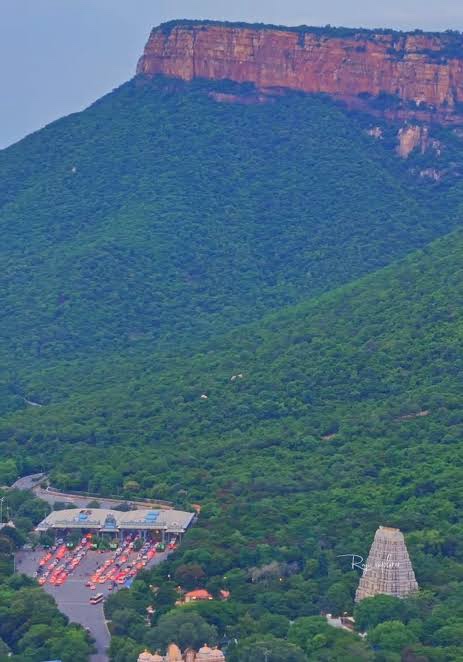
Reliance Industries chairman Mukesh Ambani has declared that his company would be building a state-of-the-art kitchen at Tirumala, which would be dedicated to the Sri Venkateswara Anna Prasadam Trust. This initiative will be undertaken in partnership with Tirumala Tirupati Devasthanam (TTD) and the support of Andhra Pradesh government. The new kitchen will feature advanced automation and the capacity to prepare and serve over 2,00,000 meals every day to ensure that every devotee is served nutritious Anna Prasadam. The announcement came after a visit of Mukesh Ambani to Tirumala on Sunday morning. Tirumala stands as an eternal symbol of faith, compassion, and selfless service. “Through this effort, we are humbled to contribute to N. Chandrababu Naidu’s noble vision of extending the Anna Seva tradition to all the TTD temples”, a company press release said on Sunday. Ambani also visited Guruvayur Sri Krishna temple, located in the town of Guruvayur, Thrissur in Kerala. He donated Rs 15 crore to the temple.
There is no doubt that in our Hindu religion , “annadaanam” or charitable feeding of pilgrims is a very ancient and cherished tradition or custom .
However , reading the above news item makes one wonder if this mega-project proposal serves religious charitable purpose or whether it is PR extravaganza catering more to the spirit of religious tourism than to that of genuine yaathra.
The average daily traffic of pilgrims to Tirumala in the last several years has been around 50,000 footfalls only a day rising occasionally to 100,000 on very important festive days. There is thus present on the Hills already quite adequate installed-capacity to provide free annadaanam to the current level of pilgrim traffic . What then is the need for increasing the capacity to feed 200,000 people daily on the tiny hill-temple town of Lord Venkateshwara that has already been turned today into a concrete jungle and a jostling , teeming hub of religious tourism chockablock with tens of thousands arriving there every day ?
Where is due consideration being given in this proposal to matters such as ecological balance , to flora and fauna of these sacred hill ranges of Tirumala ?
What does an independent environmental impact assessment study have to tell us about the glaring risks faced in turning Tirumala temple town into a gigantic religious restaurant for 200,000 pilgrims ?
Is this truly religious spirit ?
Should yaathris be only furthermore encouraged to go to the temple atop the hills in even ever larger massive droves keen only on feeding themselves on the hills right after the darshan ? Why not construct such a massive eatery somewhere else downhill in the muncipal spaces of the Tirupati City?
Why is this corporate mega-project being granted permission to defile the sacred environs of The Hills of Tiruvenkatam even more than it already has been ?
Good evening, friends, colleagues, and fellow lovers of ideas.
I want to begin by thanking CIC’s Kasturi Venugopal, Chandramouli, Sabarivas for hosting this event this evening. My gratitude also goes to the distinguished guest speakers on stage — S R Madhu, T S Krishnamurthy, Bharath Ram. Thanks also to my publishers in New Delhi, M/s Blue Rose Publishers. My very special gratitude also goes to all the family members of Srinivasa Sastri who are present amongst us. Last but not the least, thanks to my dear wife Divya… she’s my inhouse editor and hawkeyed proof-reader… who read the book only last evening and has told me she has already spotted the proverbial Printer’s Devil, a few minor grammatical errors and one bloomer. That gives me hope for a revised edition sometime in the future if this one should do reasonably well.
A question now to the audience. Please answer honestly.
How many of you here are serious students of History, especially Indian History? Raise your hands?
And how many of you here have read anything before on Rt Hon’ble Srinivasa Sastri?
(About less than a 20 hands went up in an audience of nearly 150)
This evening isn’t merely a book launch. It is an invitation to rediscover a remarkable yet largely forgotten figure in Indian history: V. S. Srinivasa Sastri. My journey to this book began unexpectedly through a friendship with his great-grandson, which led me deep into Sastri’s letters, speeches, and an extraordinary moral vision that I felt demanded to be heard again in our country.
When I was an undergraduate in college, I had admired Sastri only as an extraordinary Sanskrit scholar of Valmiki Ramayana and a dazzling splendid orator in English. The new discovery I made in writing this book is that behind that literary eloquence there was also a man who was a farsighted statesman, a brilliant, astute diplomat, and a tireless freedom fighter who all his life had wrestled with existential questions that remain urgent in Indian politics even today:
How do we reform without destroying what matters? How do we dissent without bitterness? How do we live morally in the public eye?
“The Death of a Brahmin-Liberal”! The title of my book may sound dark and funereal, but it signifies a deeper fading away — the disappearance of a culture of dignity, restraint, and the courage of the moderate liberalist. Sastri’s kind of leadership—marked by gentle strength, courteous speech, and principled independence—has all but vanished from our public life in India.
Sastri lived in an age of giants—Gandhi, Nehru, Rajaji—and yet he never was overshadowed by them. He challenged Gandhi on the ethics of means and ends, cautioned Nehru against haste without harshness, and debated Rajaji on tradition with affection. Above all, he stood firm in his convictions without venom or personal rancour.
This book draws out three vital lessons from Sastri’s life— they are lessons, I believe, essential for the survival of Indian democracy today:
First, tradition and reform can—and must—coexist. Second, democracy is not chaos, but a discipline—a discipline of manners, not noise. Third, to be a moderate and a conscientious liberal is often a lonely path, but it is indispensable.
Writing this book for me was a journey of moral reckoning. I sought to admire Sastri without idolizing him, to argue with him without dismissing him. At times, Sastri unsettled me as any true moral exemplars should—reminding me that intellectual honesty demands facing one’s own biases, not escaping them.
Why bring Sastri’s voice back now? Because Indian democracy desperately needs discourse that debates ideas without disdain, that argues with conviction not fanaticism. The “Brahmin-Liberal” is no caste label—it is a moral ideal, a call to lead with humility, to speak with restraint, and to balance power with conscience.
Sadly, voices like Sastri’s are today facing a shrinking public space in India. As one Western thinker has noted:
QUOTE “Public intellectuals aren’t becoming difficult to find because we’re in any kind of deficit of brilliant thinkers, but only because the space for these figures has nearly disappeared. Intellectual influencer’s today—though brilliant in their own right—have to contend with branding themselves for social media. They have to publish articles and make content that generate engagement rather than encourage deep thought. The complexity and weight of ideas is often sacrificed for the sake of appealing to the masses. When your goal is not only to present ideas but to make them palatable and digestible for a distracted audience, the boundaries of intellectualism start to blur. Ideas are no longer for discussion, they’re for consumption” UNQUOTE
Sastri’s legacy invites us to relearn respect—the art of disagreement without disrespect. This book will challenge all readers to imagine a Parliament echoing with reasoned debate, a civil society honouring bridge-builders, not firebrands, an education that nurtures civic manners, and a judiciary that celebrates principled dissent… and with the permission of Sri T S Krishnamurthy here, may I also add… an Election Commission that will be left alone to do its work diligently.
Ladies and Gentlemen, this book is no nostalgic homage. It is an urgent call: so tonight, when you walk out from here, please carry Sastri’s spirit with you—let it shape how you debate, dissent, how you vote and decide who leads us.
Pick up this volume not just to remember, but to renew our democratic future—where civility, wisdom, and moderation will still have their rightful place.
Thank you. May our conversations honour the thoughtful courage and dignified spirit that Sastri entrusted to us all.
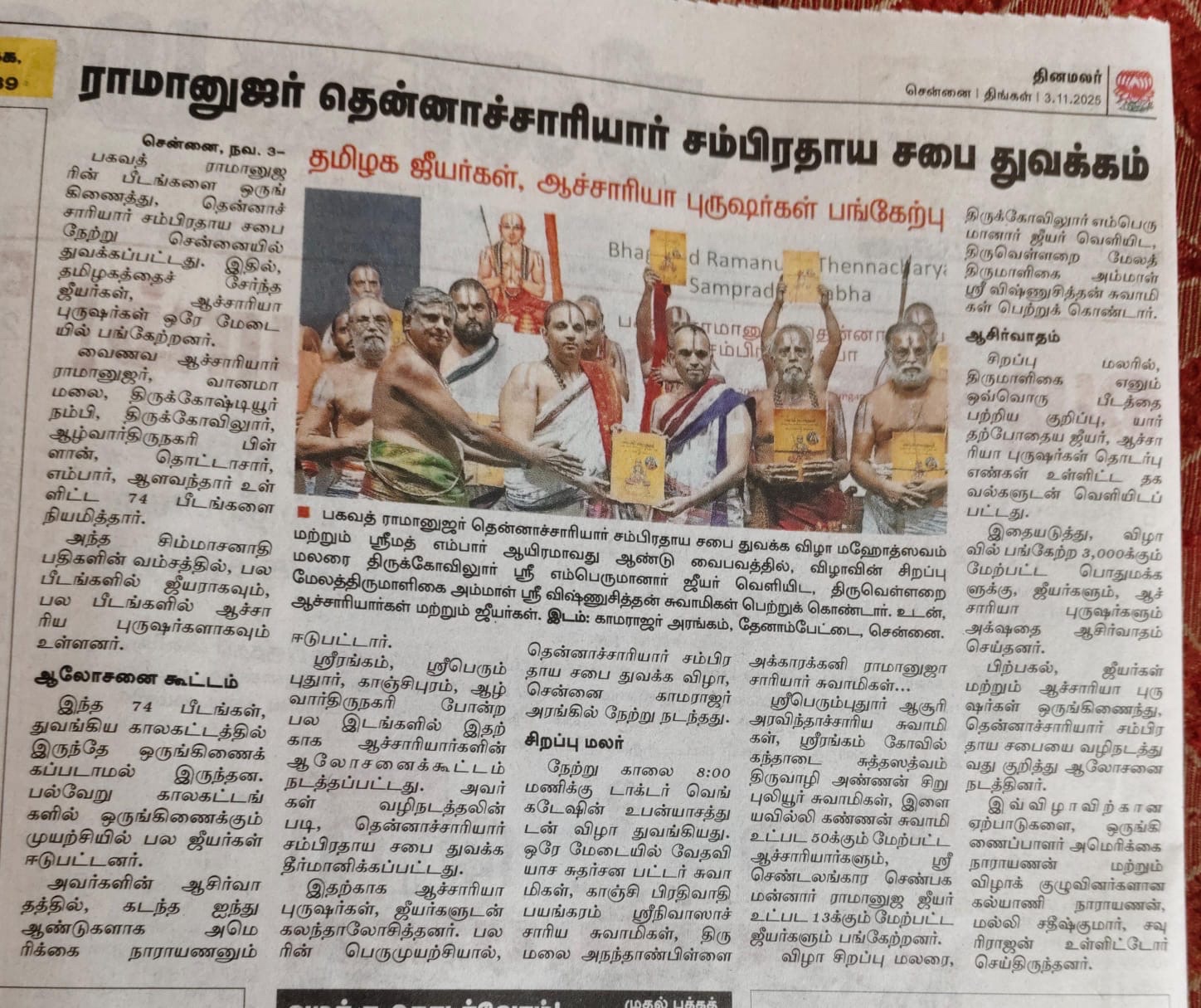
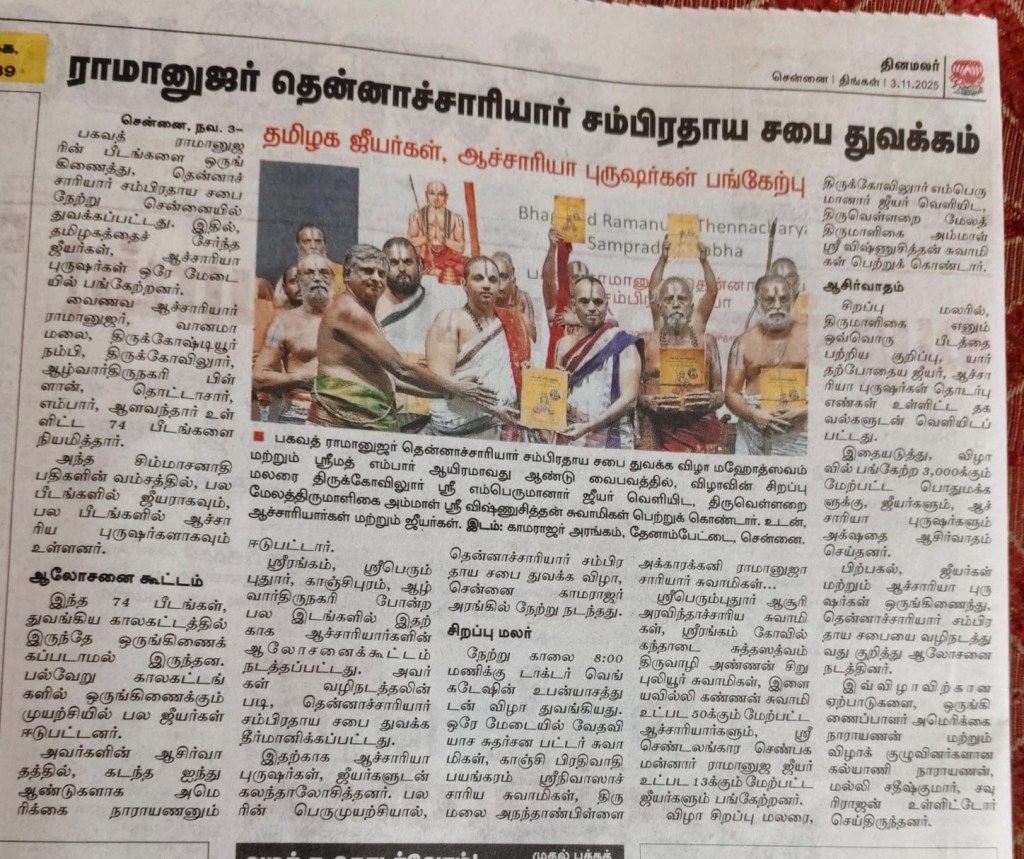
Being a Sri Vaishnava myself, reading the above news item troubles me greatly in mind. I wonder if this is some sort of strategy that seeks to build a Tenkalai narrative presenting Sri Ramanuja’s 74 simhasanaadhipathi peetams as exclusively belonging to “tennaachaarya sampradayam” distinct from the “Desikasampradayam”.
If it is so then I must humbly state that it is a blatantly false narrative .
During Sri Ramanuja’s time there was no division in ubhaya vedanta sampradayam as “tennaachaarya” and “Desika sampradayam”. The 74 simhasanadhipathi peetams were instituted to propagate and preserve only ubhaya vedanta tradition . They were not set up by Udayavar to memorialise anything called “tennaachaarya” tradition at all .
This new attempt to associate or hyphenate “74 simhaasanaadipati peetams” with Tenaacharyasampradayam appears to be an exercise in one-upmanship of the Tenkalai sectarian group to exclude the Vadakalai sectarian community from the larger and more genuine community of Sri Vaishnavas and Sri Ramanuja devotees .
If this initiative — announced with such public fanfare — had been not named itself with the exclusionary term “tennaachaarya” , it would have been warmly welcomed by all Sri Vaishnavas. Since this new organisation however is calling itself “tennaachaarya sampradayaSabha” purportedly dedicated to propagating the historic 74 simhaasanaadipathi spiritual heirs , it reduces itself unfortunately to just yet another narrow , parochial sectarian outfit engaged in meaningless inter-sectarian polemics .
Sri Vaishnavism is much larger than sects and groups … and a faith that is much bigger than any specious narratives that any sectarian narratives can try to reduce it to .
Sudarshan Madabushi
இது, எம்பெருமானார் அருளிய 74 சிம்ஹாசனாதிபதி பீடங்கள் “தென்னாச்சார்ய சம்பிரதாயம்” எனப்படும் தனித்தோன்றிய மரபிற்குள் உள்பட்டவையெனவும், அவை “தேசிக சம்பிரதாயத்திலிருந்து” பிரிந்தவையெனவும் கூறும் ஒரு அபிக்கிரமமான தென்கலை வாதத்தின் விருத்திஷூன்யமான முயற்சியாகும்.
இது ஆதாரமற்றதும் அநுமாநமற்றதும், வரலாற்று வஸ்துதத்திற்கும் விலகியதுமான பாவனை.
எம்பெருமானாரின் திருக்காலத்தில் உபயவேதாந்த சம்பிரதாயம் ஒருமைப்பாட்டில் விளங்கியது; “தென்னாச்சார்ய” – “தேசிக” என்ற பிரிவொன்றும் அந்நாளில் இருக்கவில்லை. எம்பெருமானார் அமைத்த 74 சிம்ஹாசனாதிபதி பீடங்கள், ஸ்ரீவைணவ மார்க்கத்தின் பூஷணம், பரிபாலனம், பரம்பராப்ரதிஷ்டை என்ற நோக்கத்திற்காகவே நிறுவப்பட்டன. அவற்றை “தென்னாச்சார்ய” எனப் பிரித்து நினைப்பது உபயவேதாந்த சாந்தத்தைச் சிதைக்கும் ஒரு அபவாதச் செயல் ஆகும். “74 சிம்ஹாசனாதிபதி” மரபை தன்தோற்று மரபாகச் சொந்தப்படுத்த விரும்பும் இந்த முயற்சி, தென்கலை வாதகர்களது ஆதிக்கநிலை தோற்றுவிக்கும் பிரயத்தனமாகவும், வடகலை வைணவர்களைப் பரந்த ஸ்ரீவைணவ சமூஹத்திலிருந்து பிரித்துக் காட்டும் அநுசித பாவனையாகவும் விளங்குகிறது.
இத்திட்டம் “தென்னாச்சார்ய” என்ற பாகுபாடு குறிக்கும் சொல்லைத் தவிர்த்திருந்தால், அது அனைத்து ஸ்ரீவைணவர்களாலும் சமமாகப் பாராட்டப்பட்டிருக்கும். ஆனாலும், “தென்னாச்சார்ய சம்பிரதாயம்” எனும் குறுகிய அடையாளத்தில் தன்னை வலியுறுத்திக் கொண்டு, எம்பெருமானார் புனித பீட மரபின் வைப்பையொப்பம் செய்ய முயல்வது, அகில ஸ்ரீவைணவ சமயத்தின் மஹிமையைக் குறைத்து, சாமான்ய பேதநிலை வாதங்களில் திளைக்கும் ஒரு அபகார நிகழ்ச்சியாகவே காணப்படுகிறது.
எம்பெருமானார் அருளிய பீடங்கள் யாவும் அசேஷ சிஷ்யகுலங்கள் அனைத்துக்கும் பொதுவான அருள்-பீடங்களே என்பதை உணர்வதே நம் ஒழுக்கமும் மર્યாதையும் ஆகும். அவற்றைத் தங்களது கூட்டமைப்பிற்குள் அடைத்துக் கொள்ள நினைப்பது ஸ்ரீவைணவ மஹாசம்பிரதாயத்திற்கே அவமதிப்பானது.
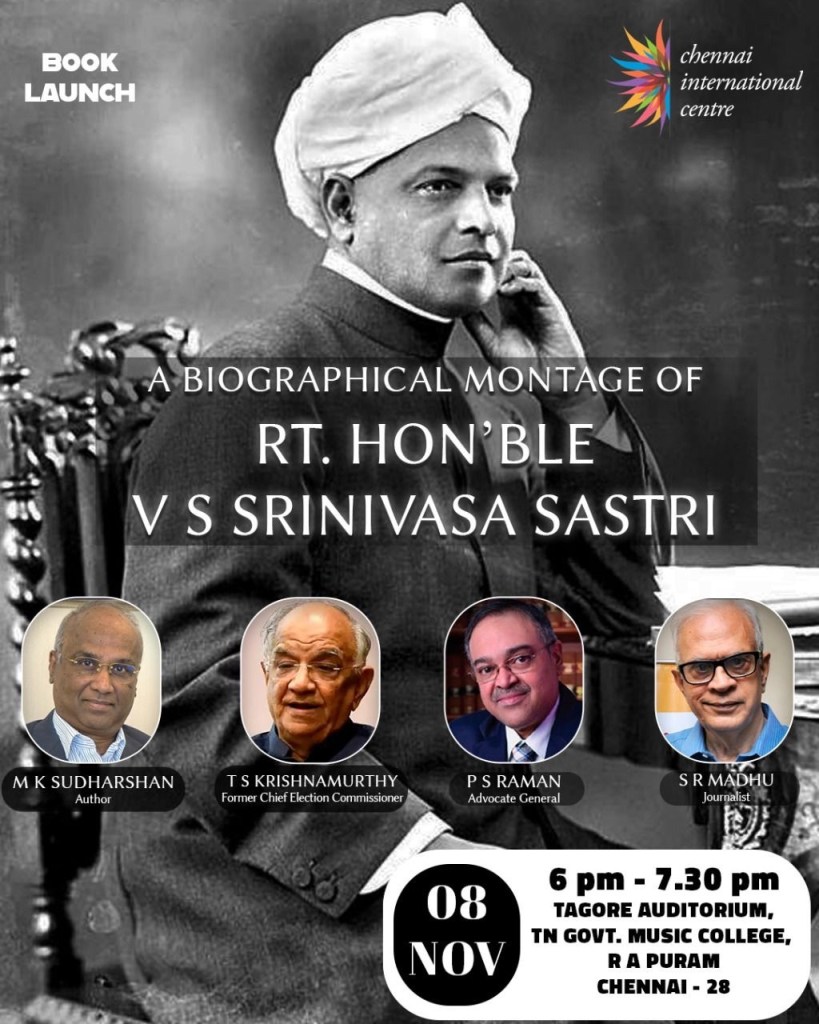
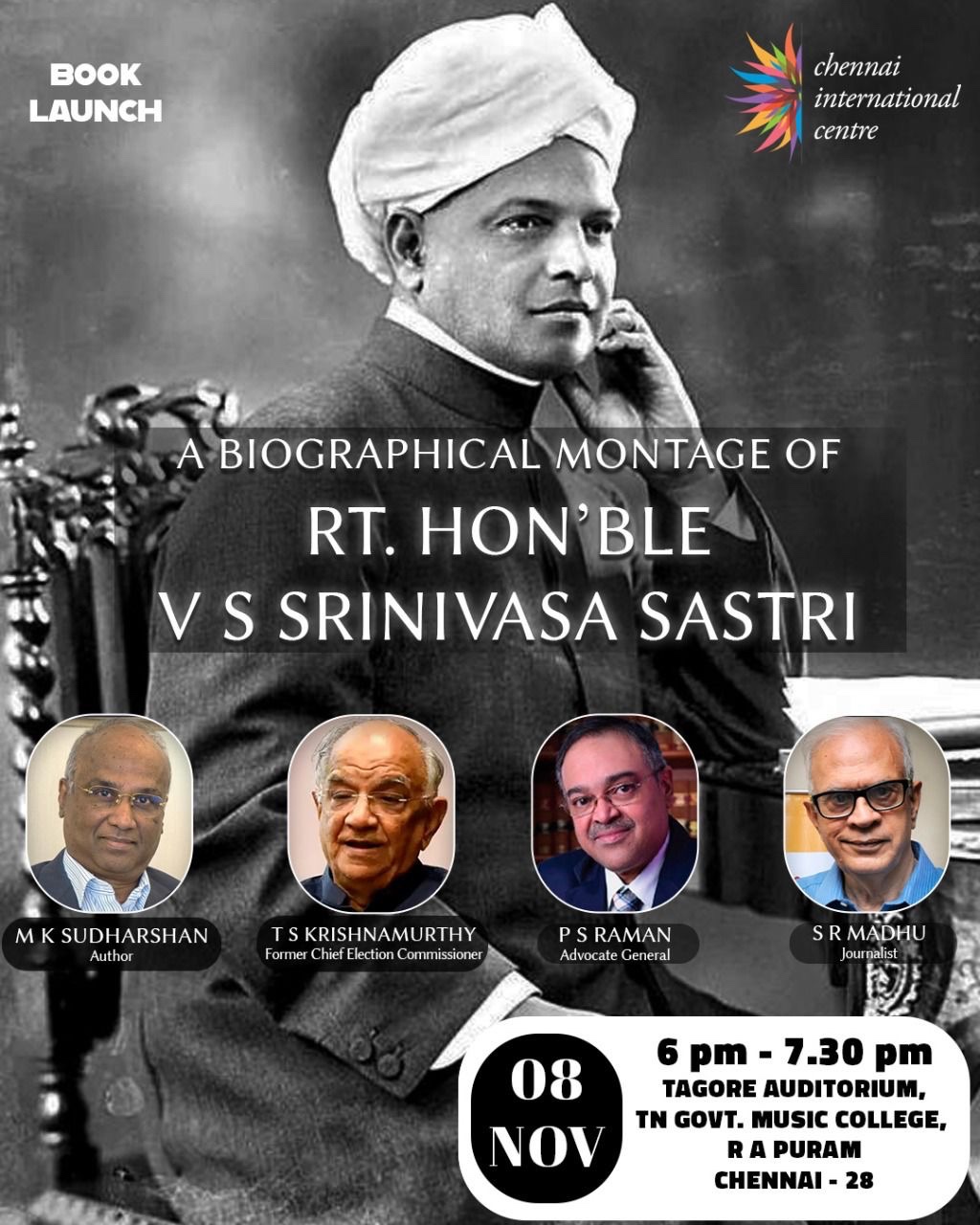
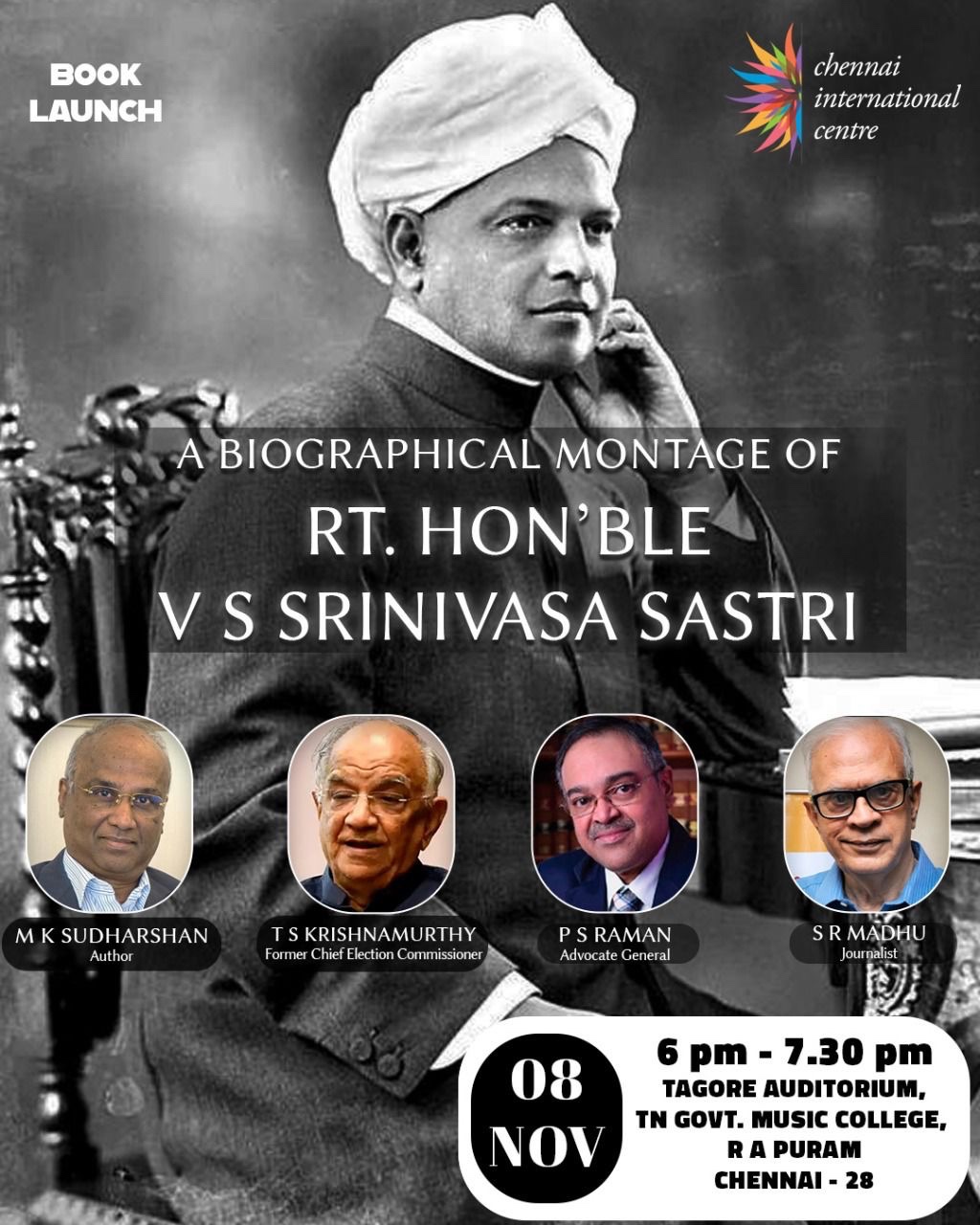
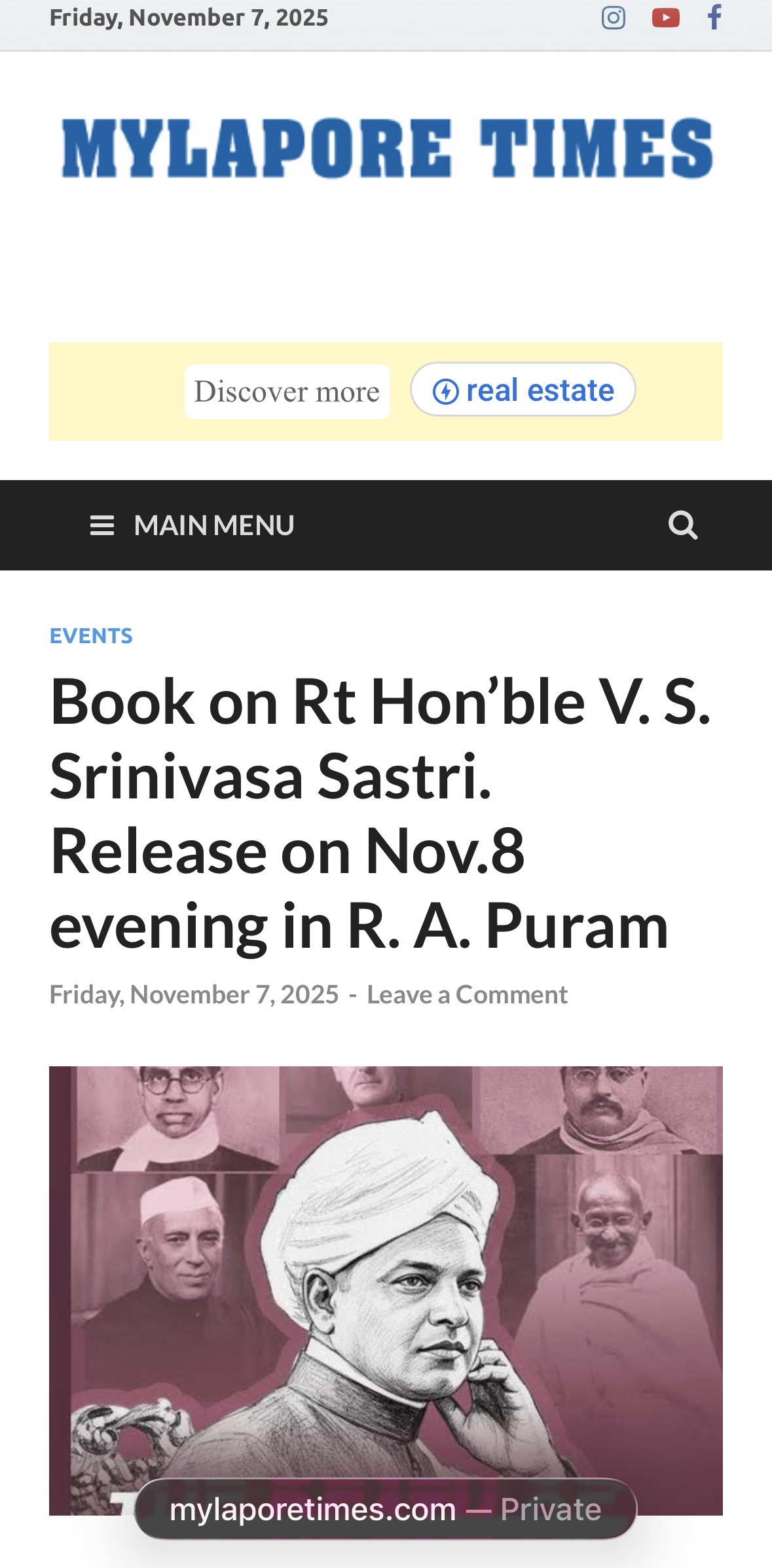
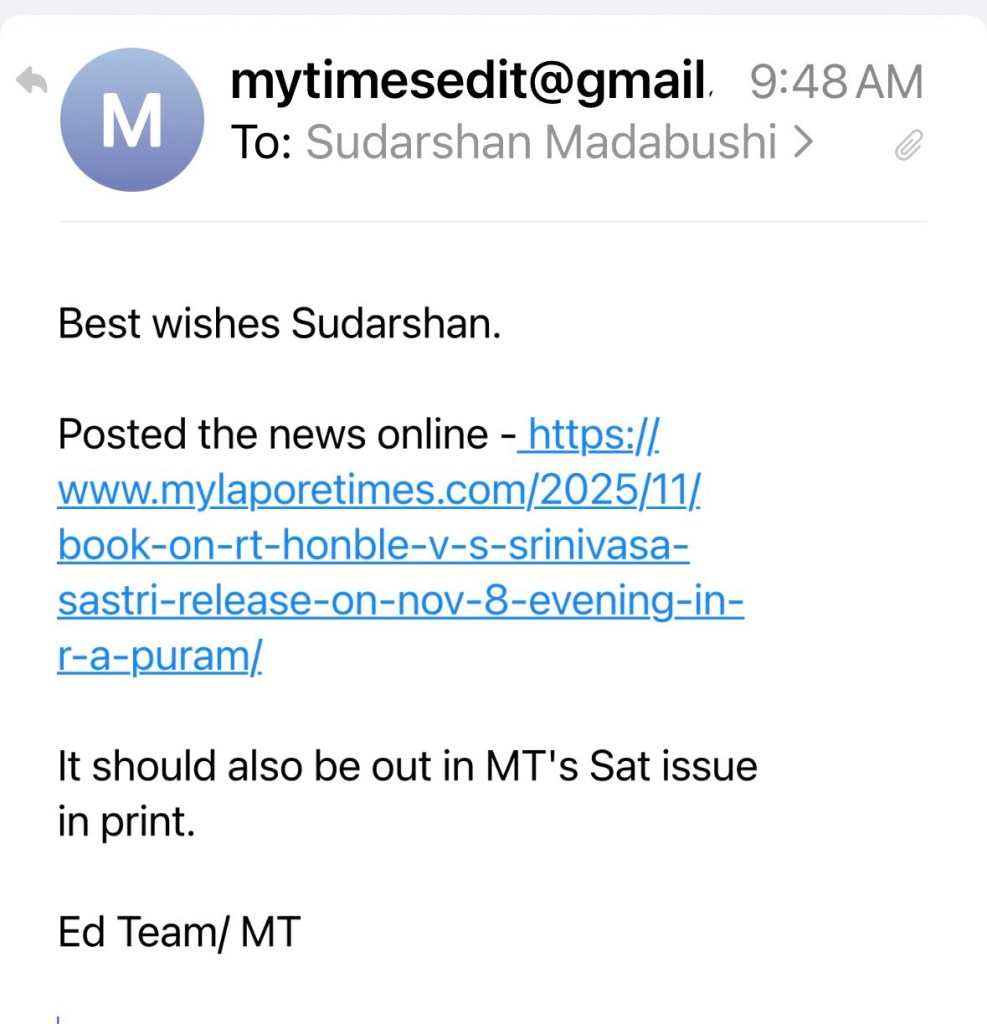
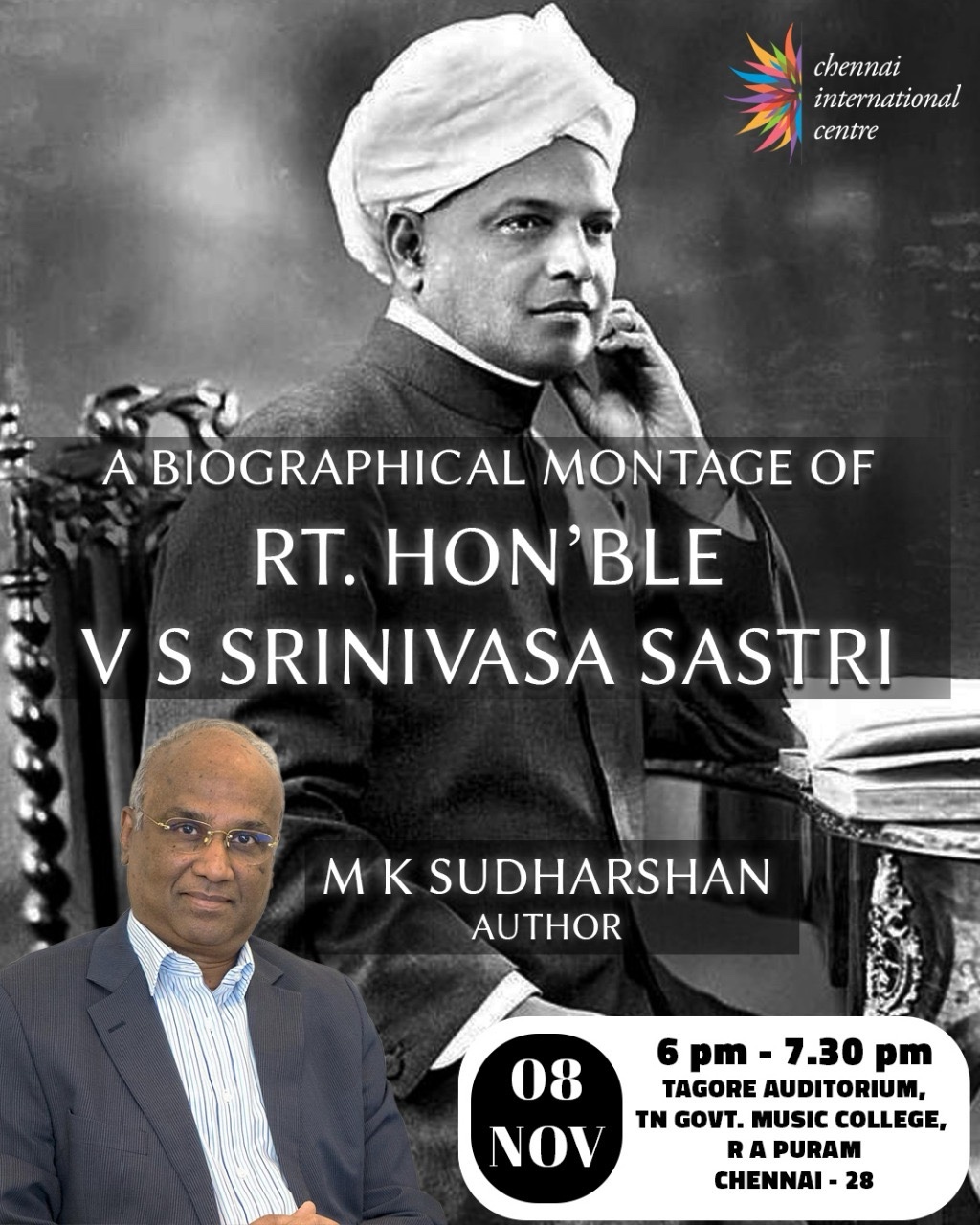
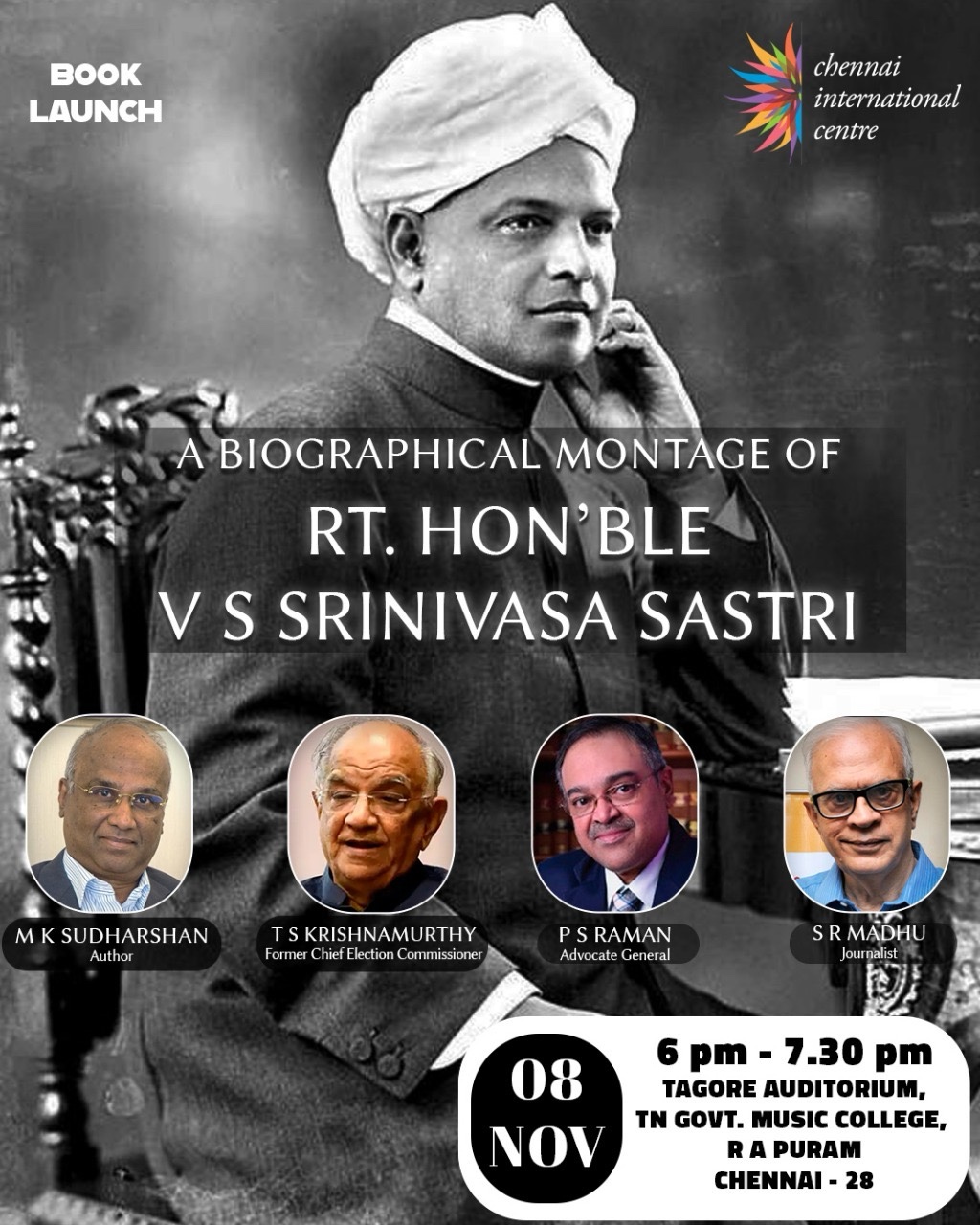
I will be greatly honoured if you will please attend the launch event of my subject book under the auspices of the Chennai International Centre. Here is the Program information below ⬇️
Your kind presence at the event will be of great value and encouragement to me . I look forward to welcoming you all at the venue on November 8.
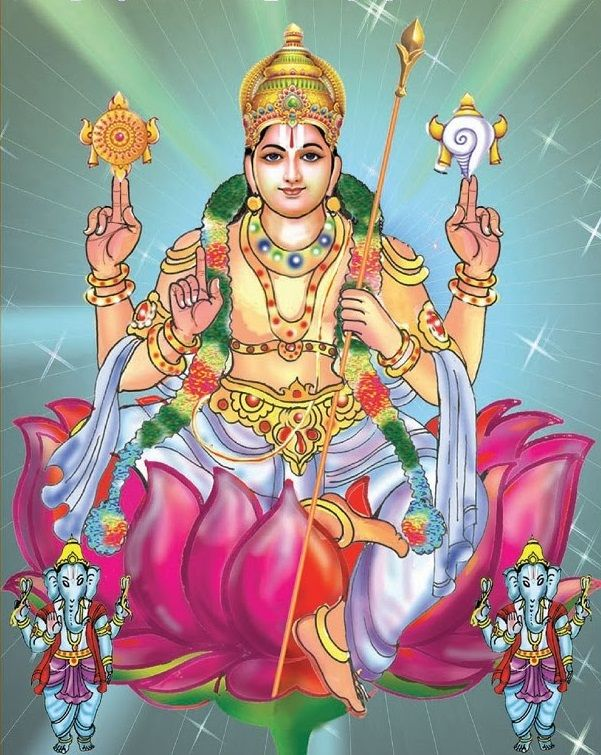
Today in the month of ஐப்பசி (or Pooradam asterism of the Vedic lunar almanac) is a very sacred day being the “tirunakshatram” (the anniversarial ascent of asterism) of Sri Viswaksenar (known in Tamil as “Senai Mudaliyaan) who appears as the 3rd of the foremost Acharyas in Guruparampara — the lineage of preceptors — worshipped in Sri Vaishnava “sampradaaya” (tradition).
On this auspicious day, let us offer worship to this Acharya of ours by delving into the details of his divine presence as gleaned from the Sri Vaishnava scriptural annals. He holds a very unique position indeed in the Acharya Parampara as will be explained below.
The above couplets are generally chanted at the beginning of any Hindu ritual or religious event invoking the presence of Sri Vishvaksena to ward off any physical or spiritual impediments to conducting it.
என் உயிர் தந்து அளித்தவரை சரணம் புக்கி யான் அடையவே அவர் குருக்கள் நிரை வணங்கி பின் அருளால் பெரும்பூதுர் வந்த வள்ளல் பெரிய நம்பி ஆளவந்தார் மணக்கால் நம்பி நான் நெறியை அவர்க்கு உரைத்த உய்யக்கொண்டார் நாதமுநி சயகொபன் சேனை நாதன்இன் அமுதத் திருமகள் என்று இவரை முன்னிட்டு எம்பெருமான் திருவடிகள் அடைகின்றேனே.
The verse above is commonly recited by all Sri Vaishnava sects or denominations. It is a very special form of invocation to the memories of a hallowed Sri Vaishnava Acharya “paramparai“. It is called a “thaniyan“—a lineage panegyric recited by Sri Vaishnavas—which beautifully lists the acharya paramparai, from the Supreme Brahman or Emperumaan (Sriman Narayana) who as immanent uninversal spirit inhered himslef for the sake of his devotees (“என் உயிர் தந்து அளித்தவர்”) down through a long succession of acharyas, includingNathamuni, Alavandar, Periya Nambi, Manakkal Nambi, and culminating in Satakopan (Nammalvar) and Senai Nathan (Vishvaksena).
This thaniyan articulates the tradition that Sri Vaishnavas, on the path of surrender (prappatti or saranagathi) , who venerate the entire lineage—explicitly mentioning both Vishvaksena (சேனைநாதன்) and Nammalvar (சயகோபன்)—as the spiritual guides culminating in surrender to the feet of Emperuman (Vishnu). It does not say that Nammalvar was a direct, living disciple of Vishvaksena, but it does affirm the Vishvaksena-Nammalvar link as enshrined in the paramparai tradition and so is chanted in Sri Vaishnava rituals. Such lineage verses are found in acharya parampara texts, Divya Desam traditions, and are cited at the beginning of major Vaishnava ceremonies to honor the flow of grace through this unbroken line.
This showcases how the tradition recognizes Vishvaksena as a prior acharya and Nammalvar as a recipient of divine grace in the lineage, following the sampradaya principle rather than historical teacher-disciple succession
According to the Sri Vaishnava guru-parampara, Vishvaksena is considered the celestial commander and acharya who revealed the esoteric meanings of Vishishtadvaita philosophy and the three rahasyas (mysteries) to Nammazhwar, effectively making Vishvaksena his spiritual preceptor. This is recorded in traditional Sri Vaishnava lineage accounts that detail how Vishvaksena descended to the temple of Alwar Thirunagari (near Tirunelveli) and gave Pancha Samskara initiation and instruction to Namazhwar “विष्णुसेनः सर्वविद्भानुर् सर्वगः सर्वविद्युत् प्रभुः”.
The poet and acharya Parashara Bhattar in his works and other Sri Vaishnava commentators also mention Vishvaksena as the divine link between Vishnu and the human acharyas, with Nammazhwar considered an incarnation or direct disciple initiated by Vishvaksena. This theological framework is central in Sri Vaishnava theology and is further codified in later stotras and the taniyan above that places Vishvaksena as the third acharya after Lakshmi and Nammazhwar.
**** ****
Although Sri Vishwaksena is the 3rd foremost in the pantheon of Sri Vaishnava “acharya paramparai”, yet, we find hardly any “stotra” , “Stuthi” or panegyric sung in his praise in the scriptural annals of Sri Vaishnavism . Nor are there any many well known mythological legends about him .
Thus one may ask: Why is that so ? Why the short shrift given him ?
Vishwaksena, the commander-in-chief of Lord Vishnu’s army, occupies an important yet somewhat understated role in Sri Vaishnavism. While he is highly revered as the remover of obstacles and supervisor of rituals, the relative scarcity of extensive stotras or mythological legends about him in Sri Vaishnava scriptural annals is due to his primarily functional and service-oriented role rather than a personalized deity with elaborate narratives.
Vishwaksena acts as the chief of Vishnu’s army and the gatekeeper of Vaikuntha. In temple rituals, especially Vaikhanasa and Pancaratra traditions influential in Sri Vaishnavism, ritual worship begins with invoking Vishwaksena to remove obstacles and ensure ritual success. He is considered the embodiment of the Tantras (sacred Agama scriptures) and presides over the smooth functioning of the cosmic and ritual order. Thus, his role is more administrative and protective, focused on enabling the worship of Vishnu rather than being the primary focus of devotion himself.
Unlike Vedic deities such as Ganesha or Skanda, or even other Vishnu’s celestial servitors (nithyasuris)… like Garuda, Sudarshana or Anantha... who have rich mythological stories and a distinct sectarian following, Vishwaksena’s importance lies solely in his service to Vishnu. In fact, Ramanuja and later Sri Vaishnavas worship Vishwaksena in places where others might worship Ganesha or Kartikeya—he functions as the principal remover of spiritual obstacles in the Vaishnava tradition but does not have an extensive independent mythological corpus. His identity overlaps closely with Vishnu’s attributes, reinforcing his subordinate and functional position.
Scriptural references like the Kurma Purana and the Pancharatra texts describe Vishwaksena chiefly in his military and ritual roles, with few elaborate stories or hymns. His very nature as the commander and regulator of divine forces leaves him less as a protagonist and more as a facilitator of Vishnu’s cosmic work. There are no large-scale legends or epics centered on him because the Sri Vaishnava tradition focuses primarily on the worship and praise of Vishnu, Lakshmi, and the Alvars, with Vishwaksena’s role being more tacit, self-effacing and supportive.
In essence, the so-called “short shrift” given to Vishwaksena in popular hymns and stories arises from the theological focus of Sri Vaishnavism on Vishnu as the supreme deity, with Vishwaksena’s role defined as that of the divine executor of Vishnu’s will, protector of rituals, and remover of obstacles. He is important but is functionally oriented, which naturally limits the presence of extended panegyrics or elaborate mythologies dedicated to him. This functional and service-based significance explains the relative paucity of stotras, stuthis, or mythological legends glorifying Vishwaksena compared to other deities in the Sri Vaishnava tradition.
**** ****
In the Vaikhanasa and Pancharatra texts, Vishvaksena is portrayed as the supreme commander-in-chief of Lord Vishnu’s army and the gatekeeper of Vaikuntha, his celestial abode. He is a key figure embodying the sacred Tantras, essential for the smooth and auspicious conduct of rituals.
Vishvaksena in Agama traditions
In the Vaikhanasa Agama tradition, which primarily worships Lord Vishnu, Vishvaksena holds an essential ritualistic role. He is worshipped first in any Vaishnava ritual to remove obstacles and protect the ceremony from evil or negative energies. His form is described as having a fair complexion (not blue like Vishnu), and he carries Vishnu’s attributes such as the shankha (conch), chakra (discus), and gada (mace). His posture often includes one hand in a blessing gesture (Avgana Hasta) while holding a weapon in another, symbolizing his protective and facilitating role. The Vaikhanasa sect regards Vishvaksena as indispensable for beginning temple festivals and rituals.
The Pancharatra Agama texts also describe Vishvaksena in a similar authoritative and protective capacity. He is acknowledged as an incarnation or extension of Vishnu’s potency, specifically linked to controlling the cosmic order and protecting devotees. Pancharatra scriptures mention him as one among the deities to whom the esoteric teachings of Vishnu (Keshava) were imparted, marking him as a significant divine figure involved in maintaining universal balance and dharma. Vishvaksena is celebrated as the embodiment of Vishnu’s power and regarded as the controller of the universal forces, often surrounded by his divine army including elephant-headed ganadhipathis. He is often visualised and portrayed in the following forms:
Commander and protector in Vishnu’s army.
Portrayed as a deity carrying Vishnu’s iconic weapons and symbols.
Embodiment of Tantra scriptures, essential for rituals.
Worshipped first in Vaikhanasa and Pancharatra ceremonies to remove obstacles.
Symbolizes divine administrative and cosmic order functions.
Accompanied by an army of divine beings, including elephant-headed ganadhipathis.
Thus, both Vaikhanasa and Pancharatra Agamas depict Vishvaksena as a powerful, functional deity deeply tied to the ritual and cosmic order under Vishnu’s supreme command, highlighting a role focused on protection, auspicious beginnings, and the correct execution of divine will.
**** ****
Is there any Sukta (hymn) in any Veda or Vedanga (such as in Kalpa Sutras) in praise or worship of Vishwaksena ? Or is there any specific Azhwar paasuram in praise of him as an Acharya ?
There is no known Sukta in any of the four Vedas or their Vedangas (including the Kalpa Sutras) that specifically praises or involves the worship of Vishvaksena. Likewise, there is no direct evidence of a Vedic hymn or ritual portion in the Kalpa texts that addresses Vishvaksena as a principal deity or invokes him in the same manner as deities like Indra, Agni, Vishnu, or Rudra are addressed in Vedic literature. Ritual, grammatical, phonetic, and other Vedanga texts do not mention Vishvaksena in a context of worship or eulogy, as supported by summaries and overviews of the Vedas and Vedanga traditions.
Similarly, among the 4,000 Divya Prabandham hymns of the Alwars, there is no prominent paasuram specifically composed in praise of Vishvaksena as an Acharya. The Alwars’ poetry generally centers on direct devotion to Vishnu-Narayana and his avatars, as well as Sri Lakshmi and the holy shrines. While the Alwars abhor barriers to Vishnu’s service and celebrate his entourage, their hymns do not contain individual stanzas for Vishvaksena as are found for Garuda or Hanuman, for example.
While Sri Vaishnava tradition does venerate Vishvaksena as a primary link in the acharya parampara, identifying him as the bridge between Vishnu-Lakshmi and mortal lineages, this status is upheld within the Guru-parampara verses, upadesa (oral transmission), and later stotras, not in the verses of the Azhwars themselves. The scripted parampara lists, thaniyans, and upachara stotras (by later acharyas) acknowledge Vishvaksena’s intermediate acharya status, echoing the classical belief but not based on Azhwar paasurams.
Vishvaksena’s scriptural prominence in Sri Vaishnavism is based chiefly on Agama (Tantric, ritual) and later sectarian tradition, not on direct references in Vedic Suktas, Vedangas, or early Tamil Azhwar poetry. His role is thus functional-ritualistic, grounded in post-Vedic, Agamic, and temple praxis rather than in ancient Vedic or classical Tamil devotional poetry.
**** ****
Did Sri Ramanuja extol Vishwaksena in any of his works? By whom and when was the Sri Vaishnava Acharya paramparai pantheon get established ?
Regarding the establishment of the Sri Vaishnava Acharya paramparai (lineage pantheon), this tradition was systematized and formalized over centuries, though the main foundational spiritual framework was clearly laid by Sri Ramanuja (11th-12th century CE) himself. The paramparai starts with Vishvaksena as an integral link, followed by the Alwars, then Ramanuja, and subsequently the later acharyas like Yamunacharya and Vedanta Desika. The formal panegyric (one of which is quoted above … ” என் உயிர் தந்து அளித்தவரை ) listing and ritual acknowledgment of Vishvaksena as the third foremost acharya after the Alwars and Ramanuja emerged progressively in Sri Vaishnava tradition during the post-Ramanuja centuries—largely codified by the 13th-15th centuries by scholars and temple institutions such as Srirangam, which consolidated the lineage for ritual and theological purposes.
Thus, Vishvaksena’s role as a divine acharya and the custodian of Vishnu Dharma in the Kali Yuga is both recognized and extolled by Ramanuja in his philosophical and ritual corpus. The Sri Vaishnava Acharya paramparai pantheon was established starting with Ramanuja’s formalization of the tradition, and later disciples and institutional figures systematized it, affording Vishvaksena his key position as the third leading acharya for ritual invocation and theological respect.
Sri Ramanuja thus clearly did affirm the revered but somewhat service-oriented role of Vishvaksena in the Sri Vaishnava spiritual lineage. His example was thus followed by successive Acharyas such as Vedanta Desika. Early commentators within Ramanuja’s tradition consistently record Vishvaksena as a principal attendant (Senai Mudalvar), commander-in-chief, and essential guardian in Sri Vaishnava ritual practice. Texts and commentaries from the post-Ramanuja Sri Vaishnava tradition—drawing upon both Agama and Puranic sources—highlight a few core themes in their acknowledgment of Vishvaksena’s role:
Vishvaksena is explicitly called the “dispeller of difficulties” and regarded as essential to the commencement of any major Vaishnava ritual or temple ceremony. Early sampradaya texts note that it is Vishvaksena who is worshipped before even beginning worship of the central deity, ensuring all obstacles are removed—a role nearly paralleling that of Ganesha in Shaiva traditions. Vaikhanasa and Pancharatra Agama texts reinforce this prominent pragmatic place for Vishvaksena in temple protocol and festival openings.
What is most important to appreciate in all this is the Philosophical Position of Vishwaksena: His status is not so much as an independent supreme deity but is more as an empowered cosmic administrator, reflecting and embodying the will and authority of Vishnu. His placement at the head of the Sri Vaishnava acharya paramparai emphasizes the sect’s focus on faithful service (seshatva or daasabhutattva)and the doctrinal necessity of an unbroken guru lineage extending from Vishnu’s court to the mortal world.
**** ****
Catalogues of manuscripts preserving the Visvaksena–Nammalvar tradition exist chiefly within temple libraries, Vaishnava manuscript collections, and research archives documenting Tamil and Sanskrit Vaishnava religious texts, with key catalogues held at Tirupati, Srirangam, Madras, and Kerala institutions. These catalogues cover Agamas, Samhitas, Divya Prabandham commentaries, and acharya parampara lineages, forming the primary textual repositories confirming this tradition.
Bibliography
Catalogue of Sanskrit manuscripts in traditional temple libraries such as the Tirupati Central Library (Kendriya Sanskrit Vidyapith), which preserves the Vishvaksena Samhita manuscripts and commentaries relevant to Visvaksena’s worship and Vaishnava ritual use.
Archives cataloguing the Naalayira Divya Prabandham and associated Tamil commentaries which include mentions of Vishvaksena’s role in the acharya line and its connection to Nammalvar, such as collections maintained at Srirangam, Kanchipuram, and other Vaishnava heritage temples.
Printed catalogues such as “Studies in the Puranic Records on Hindu Rites and Customs” detail lists of Purana and Smrti manuscripts containing traditional Vaishnava lore, which indirectly preserve references relevant to Visvaksena–Nammalvar lineages.
The rare book collections of institutions like the Madras Government Oriental Manuscripts Library and Kerala University Oriental Research Institute hold catalogues listing manuscripts on Pancharatra Agamas and Sri Vaishnava theological compendiums referencing Vishvaksena and Nammalvar’s spiritual link.
Let us on this blessed day of Sri Vishwaksenar “tirunakshatram” day pray for his blessings of protection and the dispelling of all obstacles, difficulties and impediments that lie on the path of our spiritual and material progress in life!