A “kovil samprokshanam” is a very uniquely Hindu religious concept and grand ritual indeed.
Although in the the past, I had witnessed (from only afar though) an event of a samprokshanam being conducted at a temple, I confess that like so many thousands of ordinary pilgrims or temple-goers in the country, I too was woefully uninformed about the various ritual processes involved in the consecration, their real significance and esotericism and why a “samprokshanam” is such a central and integral part of all temple-worship and ‘kovil‘ traditions in our Hindu religion.
All that I did know about the ritual of “mahasamprokshanam” was no more than what I had occasionally seen of it on TV news-channels (SVBC or SankaraTV channels) covering some neighbhourhood temple event, or what I had been able to no more than merely catch glimpses of the ceremonies when I myself in person was present at the event and watched it from a very long distance away, standing amongst onlooking street-side bystanders.
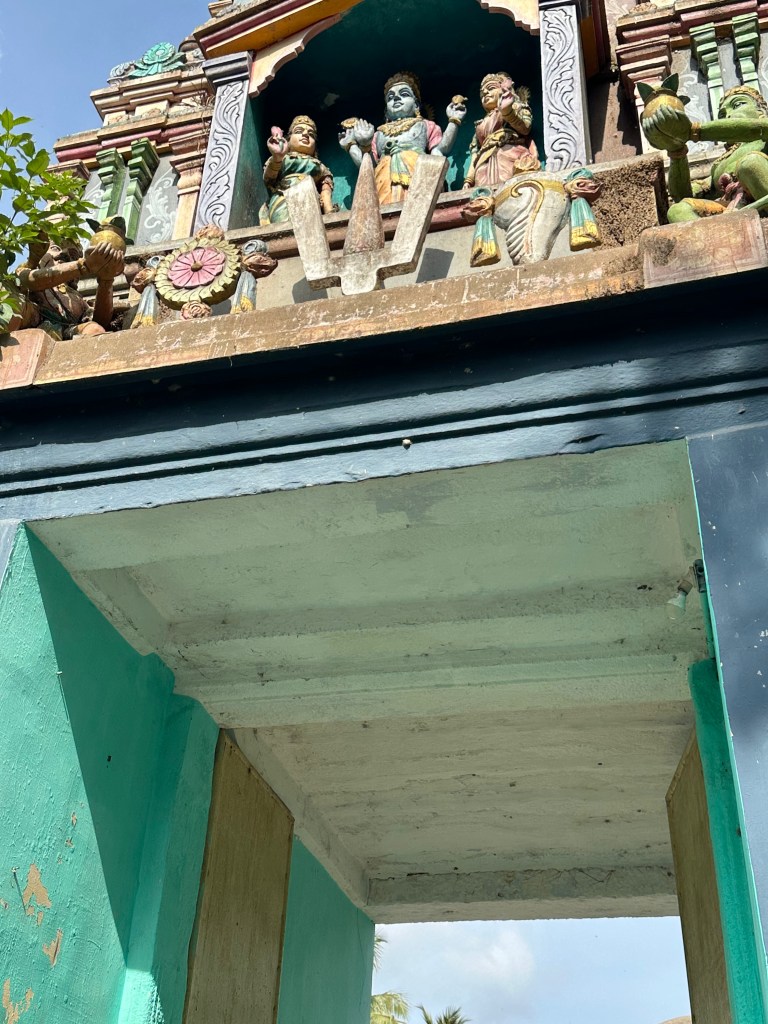
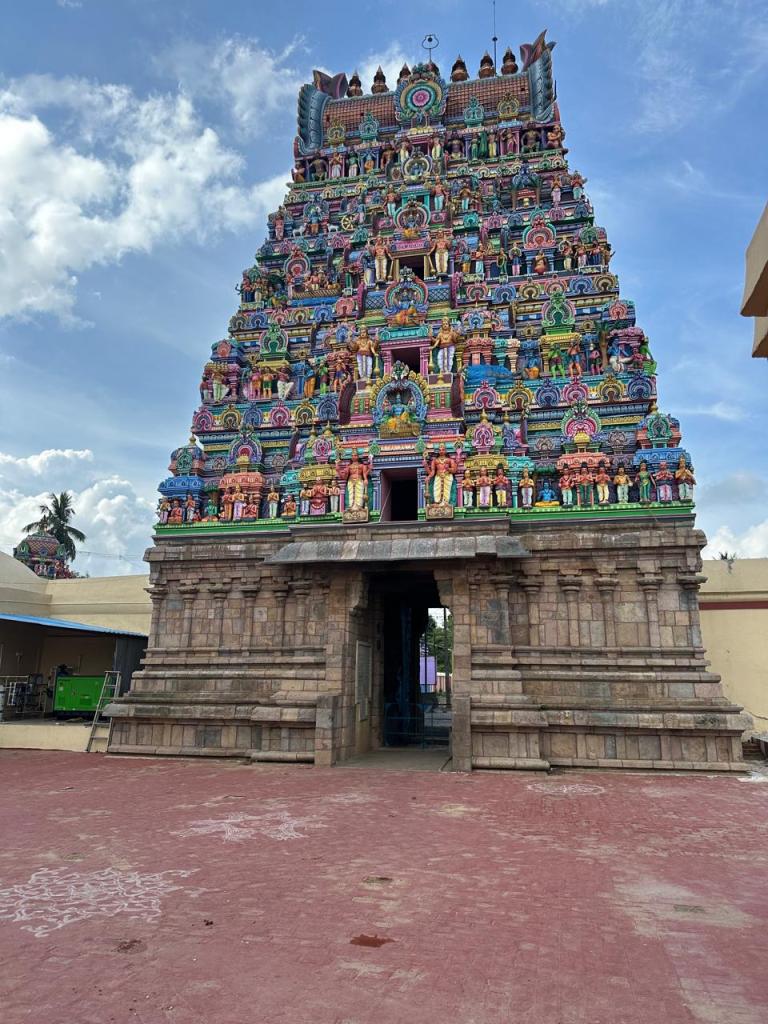
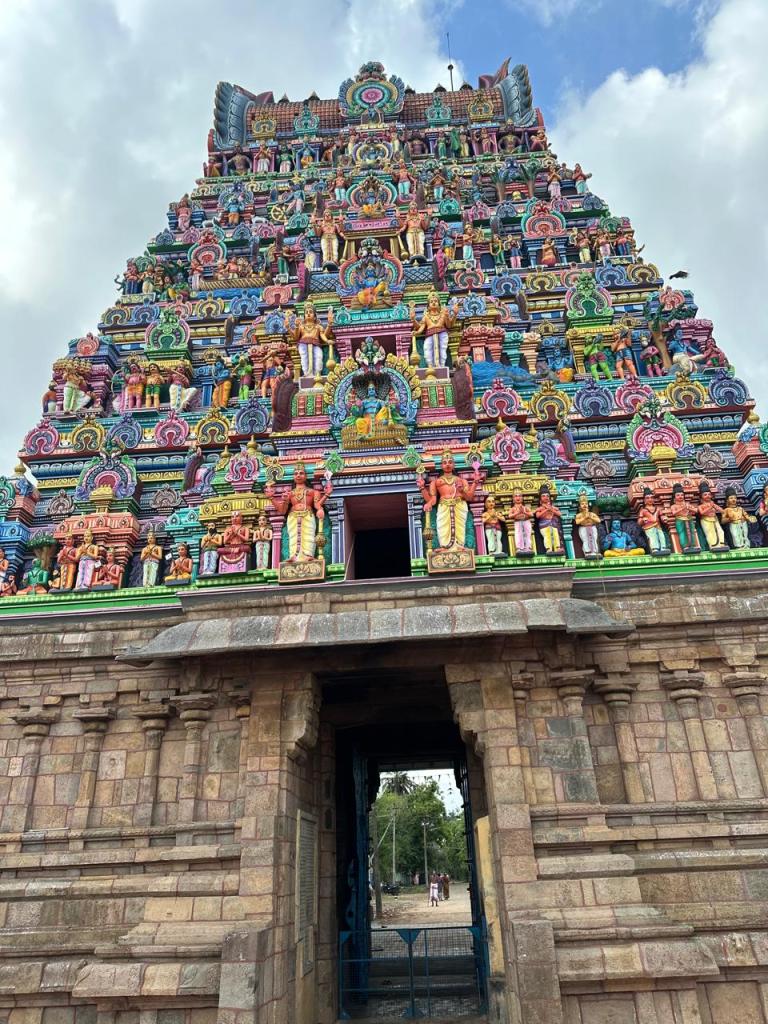
All I saw then were priests climbing up a makeshift ramp atop the temple “vimana” or cupola aka dome (‘gopuram‘) to carry out purificatory rites wherein several pots of water duly sanctified by the chant of elaborate Vedic mantras were ceremoniously poured over the “kalasha-s” (narrow pointed spire fixed upon the apex of the cupola top) — which procedure is actually what the Sanskrit word “samproshanam” means.

“A kalasha pot’s shape — as per Puranas and Agamas — symbolizes the potentialities of life. The bud which is the topmost portion signifies new life and growth. From a distance the shape of the Kalasha looks like that of a flower bud or pot… “kumbha” … Which is why the other common name for the ritual of samprokshanam is “kumbhaabhishekam“.
“Some temples have stone-block as Kalasha. But most are either made of copper or bronze and in some temples (like Tirumala Venkateshwara’s or Sri Rangam’s) they are even gold plated. Cereals and precious stones are placed inside the Kalasha before it is sealed and erected upon the cupola.
Another important hidden component inside the Kalasha is the ‘the golden person’ (Suvarna Purusha) who is kept inside the pot ( i.e. after the rite known as ‘pratishta‘ is conducted). The icon of the ‘Suvarna Purusha’ kept inside the pot is Divine Cosmic Energy personified”.
Once the pots of sanctified water are decanted and poured over the “kalasha-s”, a great roar of excitement rises from the surging, lunging crowds of hundreds of devotees standing below, thronging, shoving and jostling against each other to catch the shower of sacred water-drops drizzling down upon themselves. That is precisely the moment in the “samprokshanam” ceremony which is its rousing climax. It signals the completion of the temple renovation, re-sanctification and re-energisation.
It is through the temple’s own divine rejuvenation that thousands of devotees then experience their own individual, vicarious spiritual upliftment.
**********
The above was about everything that I really did know about how a kovil samprokshanam gets conducted.
It was all very scant and very superficial and I felt inwardly ashamed of my ignorance. Here I had been going about strutting all these past years, thinking myself to be an ardent temple-worshipper but then knew virtually nothing about the religious rites of temples except whatever I had been able to inform myself through vague and patchy hearsay. I knew so little about a great ritual ceremony that, as per the Agama sastra, was the very life-source, the terrestrial and temporal dynamo without which divine energy could not be infused into and made to reside inside the sanctum-sanctorum of a kovil … or a devaalayam.
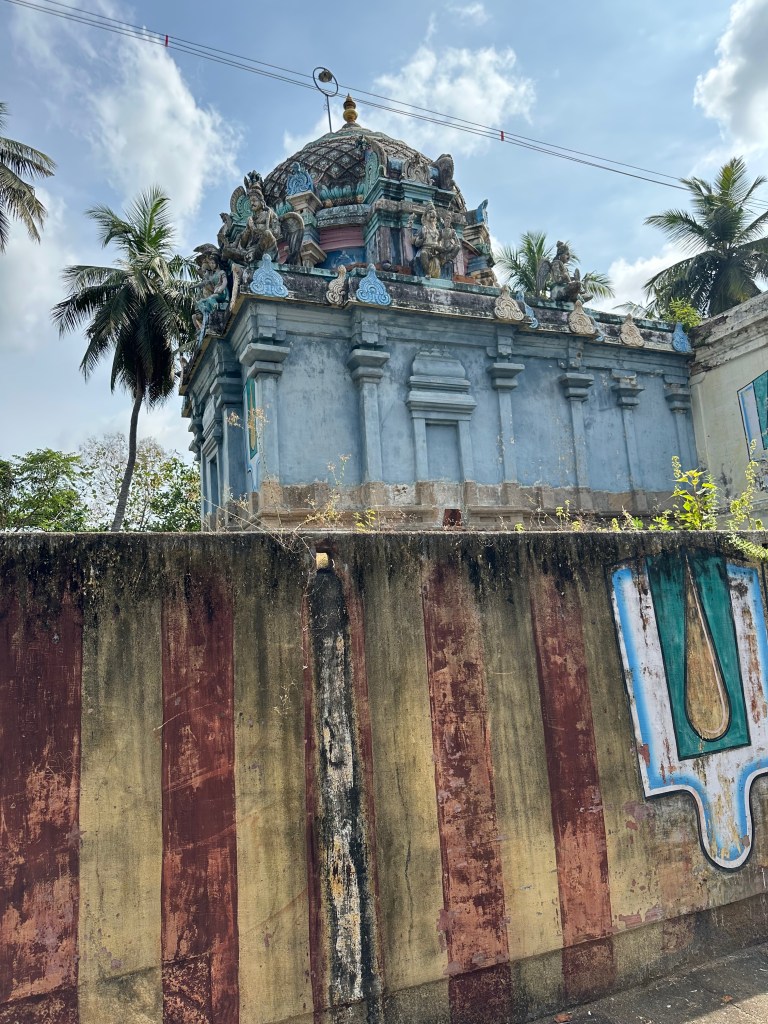
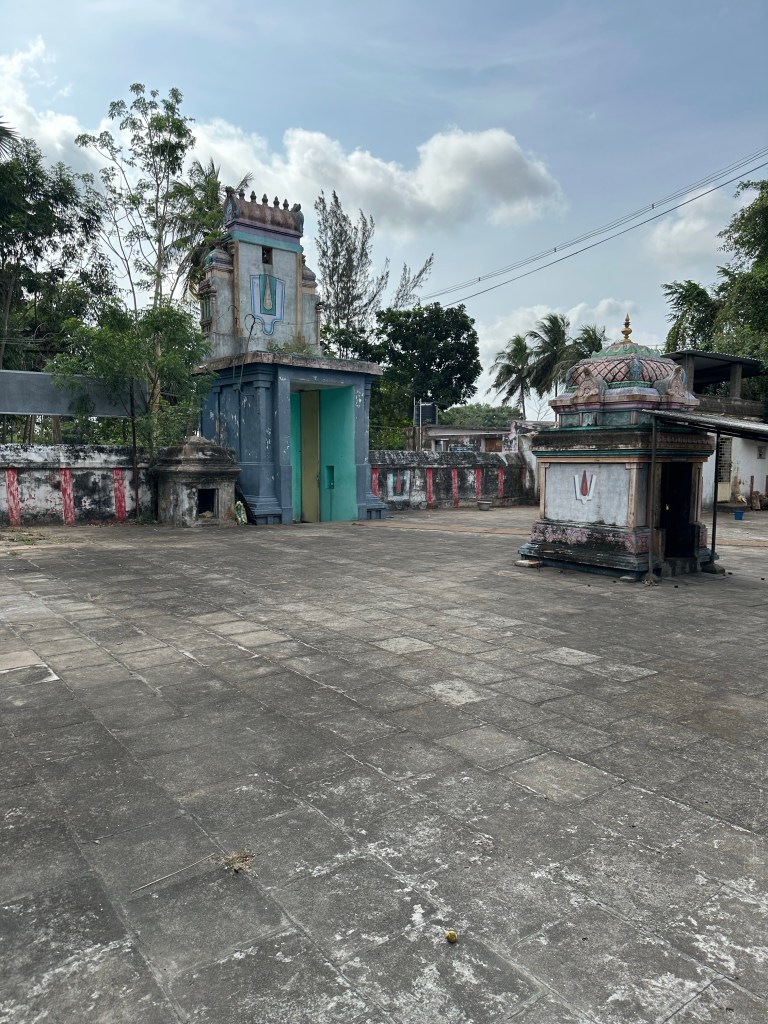
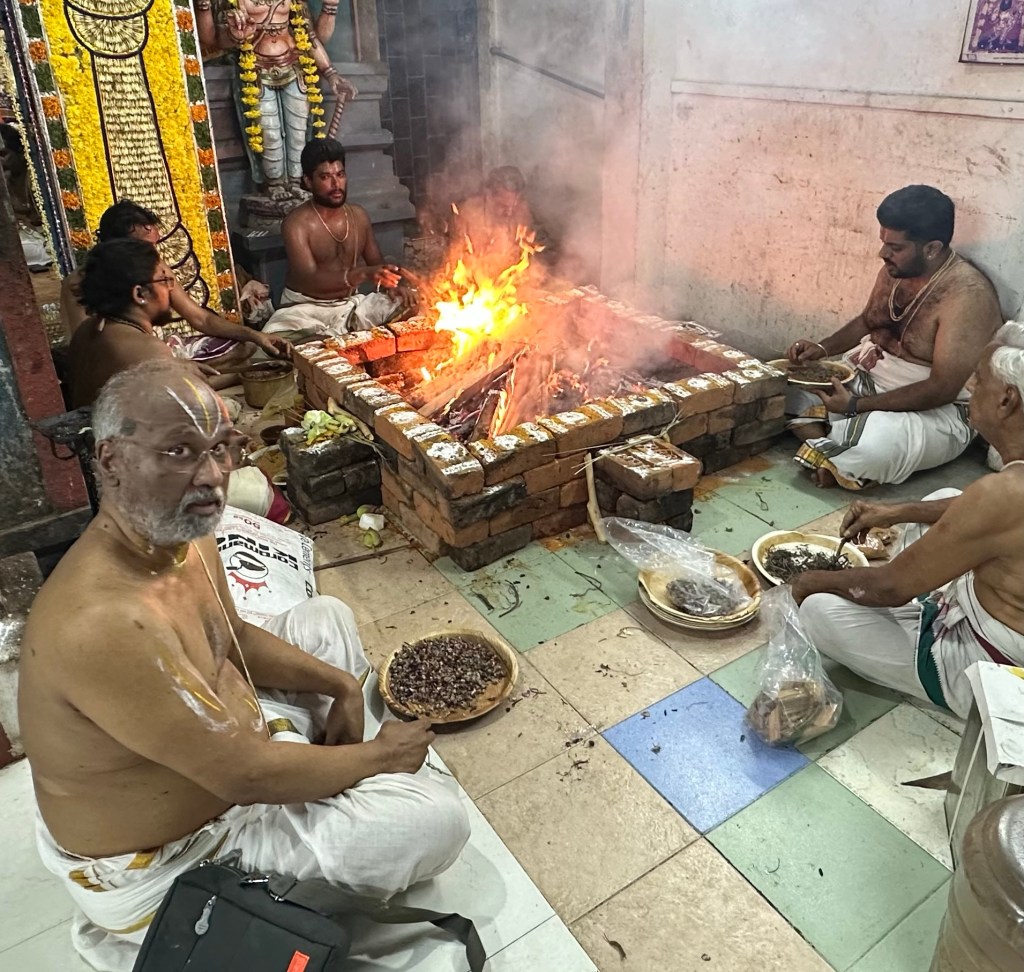
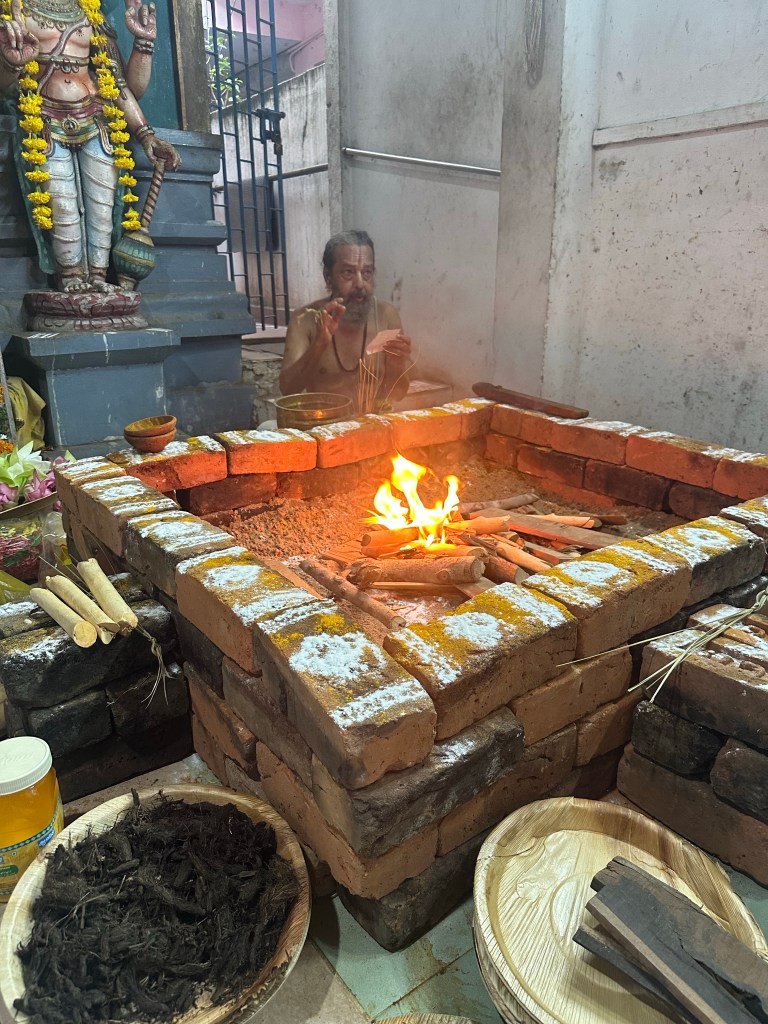
Thus, it was for that reason that I found myself hastening to the tiny village of Vilanagar to be present there at the “mahasamprokshanam” of Sri Varadaraja Perumal Kovil. It was an opportunity for the very first time in my life to be present first-hand, close and upfront to get a truly ring-side eye-witness view of its ritual-processes, from start to finish.
My good friend, and the main “ubaya-karta” and “yajamanar” (the principal sponsor) of the entire festival, Sri. S.Kothandaraman (and his gracious Devi, Smt. Vyjayanthi about whom I have already earlier in Part-1 written about), had kindly promised me that he would personally arrange for me to be present at very close quarters at all the important ritual sequence of events leading right up to the climactic moment of the “kalasha samprokshanam” atop the “gopuram” spires! I was keen therefore not to be late in seizing the opportunity to deepen my skimpy knowledge about “kovil samprokshanams“.
***********
Although I reached the Vilanagar temple-village early enough, my friend Sri Kothandaraman told me that I had already missed two preliminary ritual events that had already been completed by way of solemnly commencing the “samprokshanam” at the designated “muhurtha” (auspicious) time that had been scheduled by the chief officiating priest, the “yagnya hota” or “purohita/brihaspati“, Sri. Ranganatha Bhattacharya.
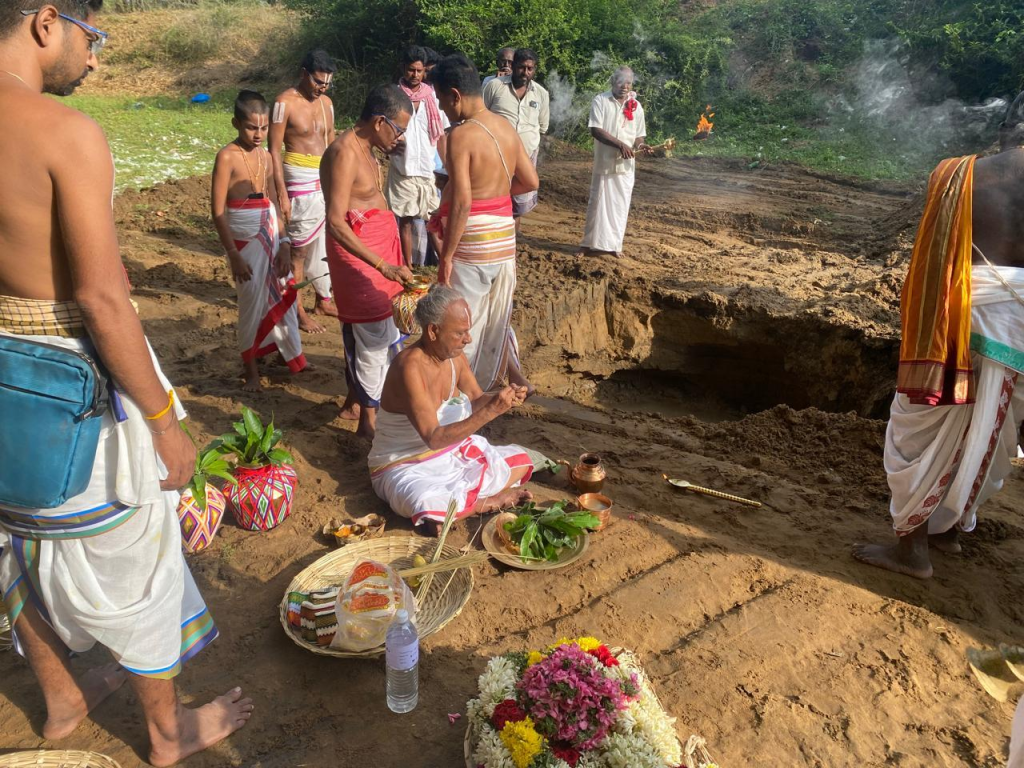
However, Kothandaraman assured me that I had not really missed much since both the hoisting of the “pandhakaal” (flagstaff hoisting marking the inauguration of the 3-day “yagnya” sacrificial proceedings) and the ritual collection of “kalasha theertha“ (water from the nearby River Cauvery) in “kumbham” for ritual purposes were only inaugural processes. He sent me the following photos of the same simply by way of information:
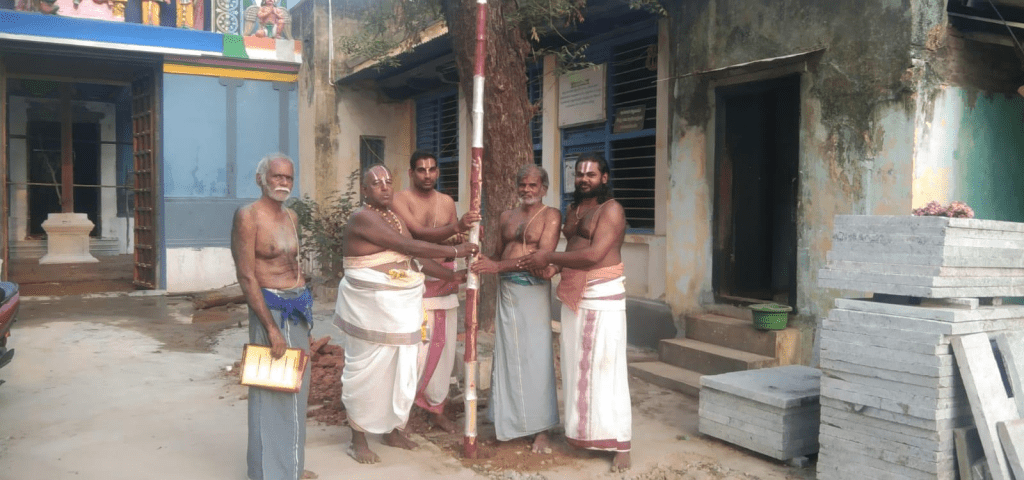
Sri Ranganatha Bhattar, the Chief Priest, is seen second from left

***************
Sri Kothandaraman explained to me that if I was so very keen to gather authentic and detailed information about the various rituals that were going to be performed during the course of the “samprokshanam“, then the best resource person I should be contacting was the Chief Officiating Priest, Sriman Ranganatha Bhattar himself, who as and when time permitted, would be able to enlighten me on some important aspects of the main rituals. I thanked Kothandraman for the arrangement made with the Bhattar but not wishing to waste the priest’s time asking him inane or trivial questions about the “samprokshanam“, I jotted down a few key questions for which I wished him to provide answers.
The following were those questions for each of which, much later, the Bhattar gave patient and very clear answers. I was able to audio-record him on my Sony recorder-device.
1. உங்கள் சுய அறிமுகம் குறுகியவகையில்:
உங்கள் தொழில்/கல்வி/பணி) செய்கிறேன். உங்கள் ஊர்; “poorvikam”
2. கோயிலின் ஸ்தல புராணம்: “கோயிலின் வரலாறு மற்றும் முக்கியத்துவம் கல்வெட்டுகளில் காணப்படுகின்றன.”
3. சோழர் வம்சத்தின் தொடர்பு மற்றும் கோயிலுக்கு வழங்கிய உதவிகள்: “சோழர்கள் கோயிலுக்கு பல்வேறு காணிக்கைகள் அளித்ததற்கான சான்றுகள் கல்வெட்டுகளின் மூலம் நிரூபிக்கப்பட்டுள்ளன.”
4. கோயிலை பல நூற்றாண்டுகள் பாதுகாத்தவர்கள்:
“கோயிலை பாதுகாத்தவர்களின் பெயர்கள் மற்றும் பங்களிப்புகள் கல்வெட்டுகளின் மூலம் அறியப்படுகின்றன.”
5. கோயில் புறக்கணிக்கப்பட்டதற்கான காரணங்கள்:
“சமூக, பொருளாதார அல்லது அரசியல் காரணங்களால் கோயில் புறக்கணிக்கப்பட்டது.”
6. கோயிலின் கடந்த கால மற்றும் தற்போதைய சொத்துக்கள்:
“கோயிலின் சொத்துக்கள் மற்றும் ஆவணங்கள் பதிவுகளில் உள்ளன.”
7. கோயிலில் பின்பற்றப்படும் ஆகமம்: “கோயிலில் _____ ஆகமம் பின்பற்றப்படும்; அதன் முக்கிய அம்சங்கள் _____ ஆகும்.”
8. தினசரி பூஜைகள், திருவிழாக்கள் மற்றும் எதிர்கால திட்டங்கள்:
“கோயிலின் வழிபாட்டு முறைகள் தொடர்ந்து நடைபெறுவதற்கான திட்டங்கள் உருவாக்கப்பட்டுள்ளன.”
9. கோயில் சொத்துக்கள் எவ்வாறு பயன்படுத்தப்படும்?:
“கோயிலின் சொத்துக்கள் வழிபாட்டு மற்றும் திருவிழாக்களுக்கு பயன்படுத்தப்படும்.”
10. தமிழ்நாடு அரசு HRCE ஆணையத்திடம் எதிர்பார்ப்புகள்:
“HRCE ஆணையத்திடம் நிர்வாகம், பராமரிப்பு மற்றும் நிதி ஆதரவு ஆகியவற்றில் உதவி எதிர்பார்க்கப்படுகிறது.”
English translation of the above:
Brief self-intro
Sthala purana of temple: Is any Epigraphy available?
Chola dynasty connection and proof of the endowments made by those kings to the temple
Who preserved the temple through the centuries ? Names , if possible
What were reasons for temple falling into neglect ?
What are past and present assets networth of the temple ? Records … if any
Which Agama is going to be observed for rituals ? Main features .
What is the future plan for continuous conduct of daily rites, festivals , pavithrotsavam, adhyaayana and Brahmotsavam
How will temple assets be put to use for above ?
What expectations from HRCE ?
**************
What I will be penning in the ensuing essays in this series, will all based upon the answers and information that were kindly provided to me by Sri Ranganatha Bhattar at Vilanagar. I will be paraphrasing in English, to the best of my ability, all the wonderful explanations about the “mahasamprokshanam” given about this ancient temple and as well as about a few glimpses into its long history.
(to be continued)
Sudarshan Madabushi